
What's Happening?
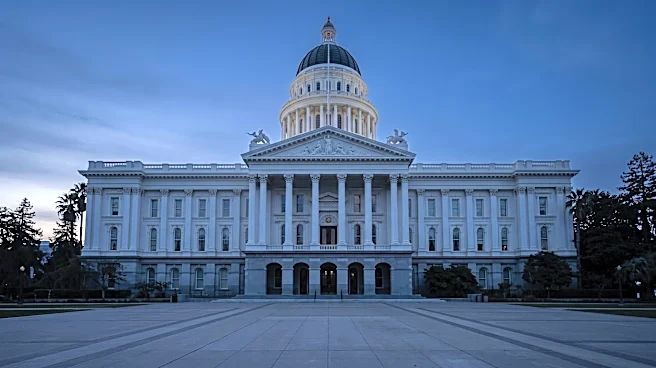
California state lawmakers have voted to expedite a major San Diego stadium and housing development, known as Midway Rising, by granting it an exemption from certain environmental lawsuits. State Sen.
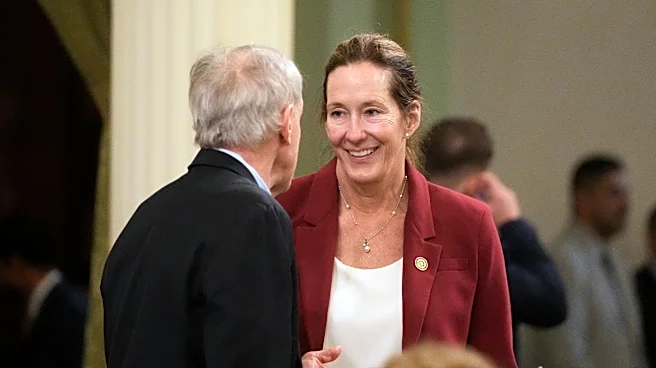
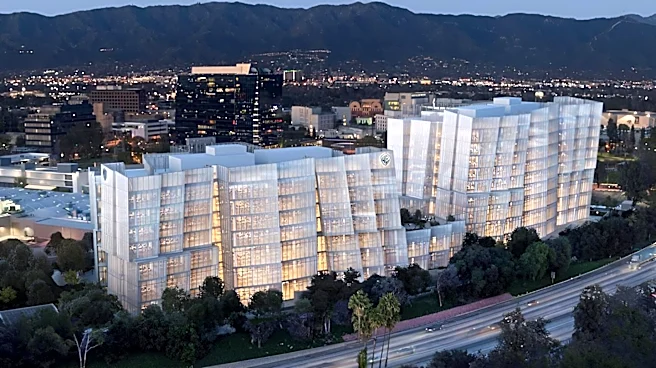
Akilah Weber Pierson (D-La Mesa) spearheaded the legislative effort, introducing two bills to support the project. The proposed development aims to replace the existing Pechanga Arena with a new 16,000-seat facility, alongside 4,254 homes, including up to 2,000 affordable units, and commercial and outdoor spaces. This legislative maneuver, which involved a 'gut and amend' process to rewrite a bill in the final weeks of the session, allows the project to bypass standard legislative committee reviews and deems it in full compliance with the California Environmental Quality Act (CEQA). CEQA, established in 1970, is designed to protect California's natural resources and minimize pollution but has also faced criticism for being used to obstruct development, including housing projects. A second bill, Senate Bill 958, further specifies that increased building height, noise, shadows, or potential to attract wildlife associated with a project will not be considered significant environmental impacts.
Why It's Important?
This legislative action holds significant implications for urban development, environmental policy, and housing affordability in California. By fast-tracking the Midway Rising project, state lawmakers are prioritizing large-scale development, particularly in the context of the state's housing crisis. The inclusion of up to 2,000 affordable housing units within the project addresses a critical need in San Diego, where families struggle to find affordable places to live. However, the method of bypassing typical environmental review processes through a 'gut and amend' strategy raises concerns about public scrutiny and potential long-term environmental consequences. Critics argue that such exemptions undermine the intent of CEQA, which is to ensure thorough assessment of environmental impacts. The decision also sets a precedent for future large-scale projects, potentially making it easier for developers to circumvent environmental regulations in the name of economic development or housing initiatives. This could lead to a re-evaluation of the balance between environmental protection and development goals across the state.
What's Next?
The legislation, Senate Bill 344, contains an urgency clause, meaning it will take effect immediately if signed into law by Governor Gavin Newsom. Following potential gubernatorial approval, the San Diego City Council will still need to grant its final approval for the Midway Rising project to proceed. The developer, Midway Rising, views this legislative move as providing 'greater certainty' for the project's realization. However, the fast-tracking process has drawn criticism from figures like former San Diego Assemblymember Lori Saldaña, who labeled Senate Bill 344 as 'reckless and rushed' due to the lack of public input and concerns about the site's suitability given sea-level rise. Assemblymember Tasha Boerner (D-Encinitas), representing the region, also expressed frustration, emphasizing the importance of public scrutiny and the right to challenge legitimate concerns regarding environmental impacts. The ongoing debate highlights potential future conflicts between development interests and environmental advocacy groups, as well as the role of local government in overseeing such large-scale projects.
Beyond the Headlines
The legislative carve-out for the Midway Rising project underscores a recurring tension in California politics: the conflict between addressing critical housing shortages and upholding stringent environmental protections. The use of the 'gut and amend' process, while not unprecedented for sports stadiums, raises questions about legislative transparency and public participation in significant land-use decisions. This approach could erode public trust in the legislative process if it is perceived as a means to bypass democratic checks and balances. Furthermore, the debate over CEQA's application highlights its dual nature: a vital tool for environmental protection and a potential impediment to development. The long-term implications could include a re-evaluation of CEQA's framework to balance its protective goals with the urgent need for housing and infrastructure. The project's location, south of Mission Bay, also brings into focus the broader challenges of coastal development in an era of climate change and rising sea levels, adding a layer of complexity to environmental considerations that extend beyond immediate project impacts.