






What's Happening?
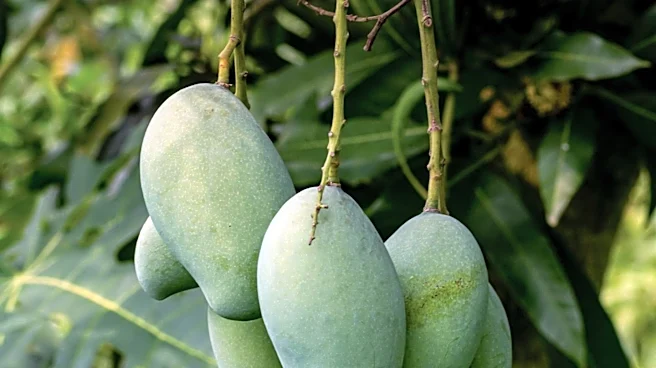
Mango trees, scientifically known as Mangifera indica, are evergreen trees that can grow 30 to 40 feet tall. They produce fragrant clusters of small yellow or pink flowers in the spring, with fruit ripening from late spring to fall. While older guides
suggested mangoes were drought-tolerant, current understanding emphasizes the need for deep, consistent watering, especially from flowering through early fruit expansion. Inconsistent watering during this critical period can lead to the tree shedding immature fruit. Soil should be kept moist but not waterlogged, as standing water can cause root rot. Most mango varieties require a cool, dry season to flower reliably and are hardy in USDA Zones 11 and 12, with some cultivars tolerating brief frost in southern Zone 10. Optimal growth requires full sun with at least six hours of direct light daily and well-draining soil with a pH between 5.5 and 7.5. In the continental U.S., reliable outdoor production is primarily limited to the southern tip of Texas, specifically the Rio Grande Valley.
Why It's Important?
The detailed understanding of mango cultivation practices is crucial for agricultural success and economic viability in regions suitable for growing this tropical fruit. Misinformation regarding water requirements, as highlighted by the shift from 'drought-tolerant' to 'consistent watering,' can significantly impact crop yields and farmer profitability. For U.S. consumers, successful domestic cultivation can contribute to a more stable and potentially fresher supply of mangoes, reducing reliance on imports. The specific climate requirements mean that only certain U.S. regions, like southern Texas, can reliably support commercial mango production, making these areas economically significant for this particular crop. Furthermore, the information on pest and disease management, such as anthracnose and powdery mildew, is vital for maintaining healthy trees and ensuring fruit quality, which directly affects market value and consumer satisfaction. Understanding the nuances of mango growth also informs agricultural policy and research into developing more resilient cultivars for broader U.S. regions.
What's Next?
For growers in suitable U.S. regions, the focus will likely remain on implementing precise watering schedules and effective pest and disease management strategies. This includes clearing fallen debris to prevent fungal spore spread, opening canopies for better air circulation, and using appropriate fungicides like sulfur or copper when necessary, strictly adhering to product labels and pre-harvest intervals. Research into developing more cold-tolerant mango varieties or improved protective measures for trees in marginal zones could expand cultivation areas. For home gardeners in less ideal climates, the emphasis will be on protective measures during cold snaps, such as wrapping young trunks and using frost cloths, and understanding that fruit production may be unreliable. Continued education through Cooperative Extension offices will be essential for both commercial and amateur growers to adapt to best practices and address specific local challenges in mango cultivation.
Beyond the Headlines
The detailed insights into mango cultivation extend beyond immediate agricultural practices, touching upon broader ecological and health considerations. The mention of mangoes belonging to the same family as poison ivy and containing urushiol highlights a less commonly known health risk for individuals sensitive to poison ivy, emphasizing the importance of protective measures during handling. This information can influence food safety guidelines and consumer awareness campaigns. Environmentally, the emphasis on proper watering and disease management, including the use of fungicides, underscores the delicate balance between agricultural productivity and ecological impact. The discussion about polyembryonic versus monoembryonic seeds and the benefits of grafted trees over seedlings for fruit production reveals the scientific complexities and economic drivers behind horticultural choices, influencing genetic research and nursery practices. This also points to the long-term commitment required for fruit tree cultivation, contrasting the immediate gratification often sought in modern agriculture with the slower, more deliberate pace of perennial crops.