




What's Happening?
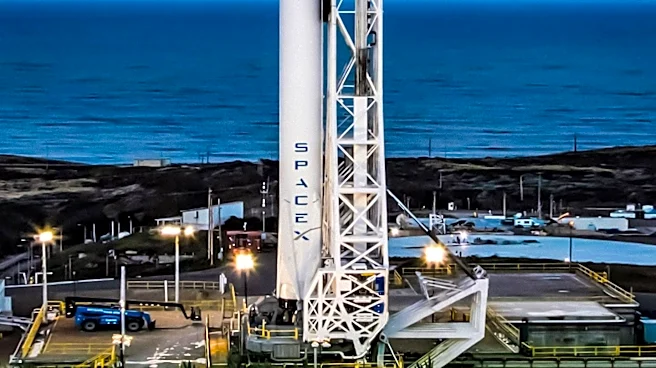
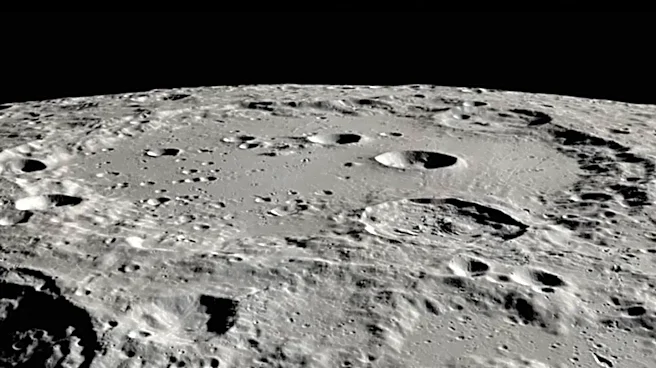
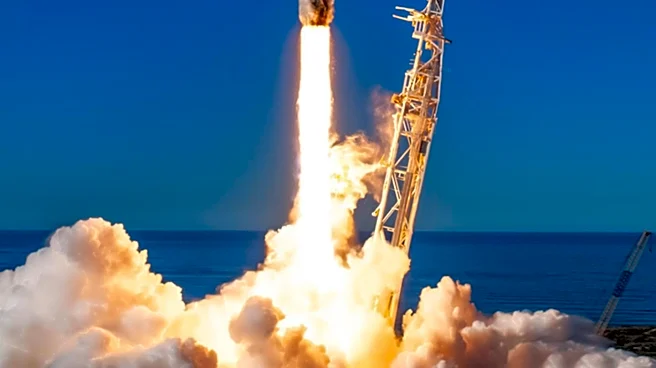
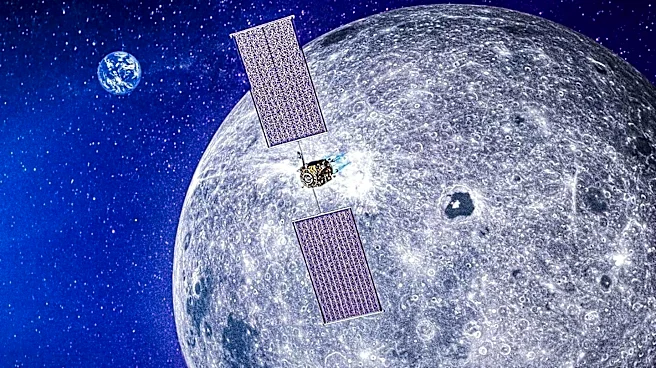
The Korea Aerospace Research Institute (KARI) has released the first images of a SpaceX Falcon 9 rocket stage impact on the moon. The images were captured by KARI's lunar orbiter, Danuri, which is currently orbiting the moon. The impact, which occurred
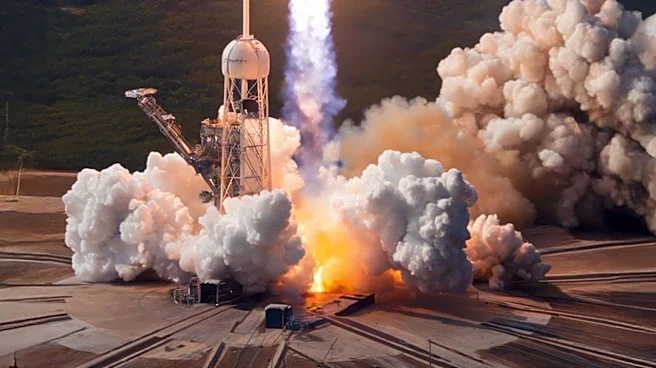
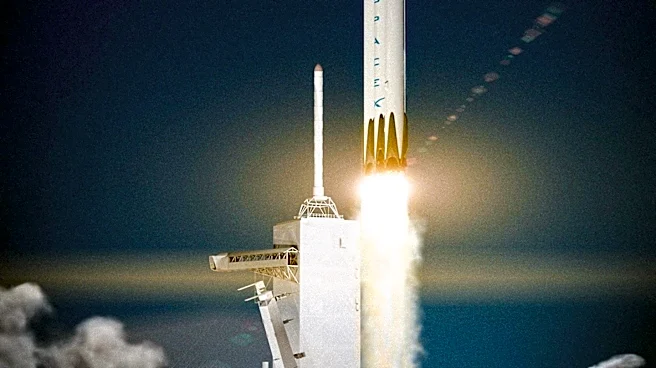
on the lunar surface, was predicted by astronomers and has been confirmed by the presence of a new crater. The collision was expected to create a crater dozens of feet wide and nearly 12 feet deep. The Very Large Telescope also detected sodium and lithium rising from the lunar surface, confirming the impact. The Falcon 9 rocket stage had been in an unstable orbit for over a year before crashing into the moon.
Why It's Important?
This event highlights the growing concern over space debris and its potential impact on future lunar missions. The accumulation of debris on the moon could pose risks to future robotic missions and planned lunar bases. The impact also raises questions about the need for improved tracking systems and international regulations for spacecraft disposal. As space exploration accelerates, the management of space debris becomes increasingly critical to ensure the safety and success of future missions.
What's Next?
NASA and other space agencies may need to develop more robust strategies for tracking and managing space debris to prevent similar incidents in the future. The incident also underscores the importance of international collaboration in space exploration to address the challenges posed by space debris. As more missions are planned to the moon, including NASA's Artemis program, the need for effective debris management will become even more pressing.