


What's Happening?
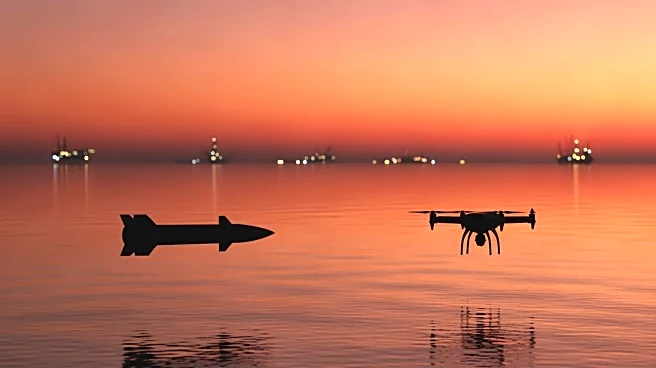
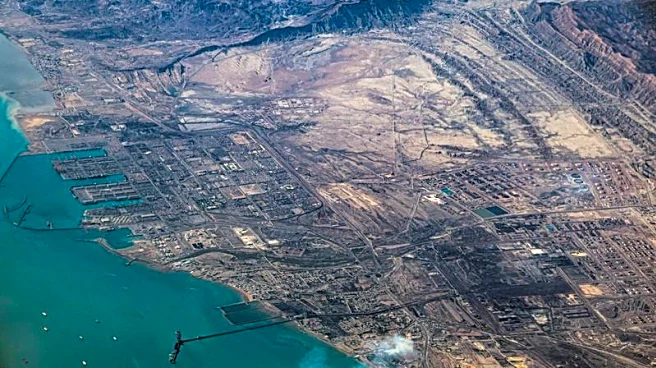
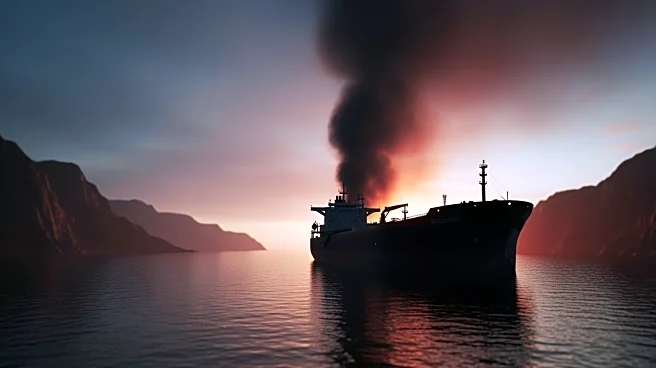
Iran's Islamic Revolutionary Guard Corps (IRGC) has claimed responsibility for striking a Marshall Islands-flagged oil tanker in the Strait of Hormuz, according to Iranian state media. This incident has heightened tensions in a region already fraught
with geopolitical conflict, particularly involving the United States, Israel, and Iran. The United Kingdom Maritime Trade Operations (UKMTO) has issued a warning to vessels in the area, advising them to exercise caution and report any suspicious activities. The Strait of Hormuz is a critical maritime route for global oil supply, and the current conflict has significantly disrupted oil transit. In response to the escalating situation, Kuwait has announced a precautionary reduction in its crude oil production and refining throughput, citing threats to the safe passage of ships through the strait.
Why It's Important?
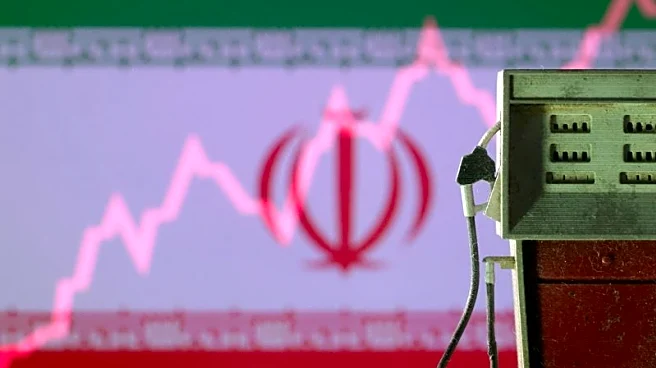
The Strait of Hormuz is a vital artery for the global oil market, with a significant portion of the world's crude oil passing through it daily. The disruption caused by the ongoing conflict and the recent attack claimed by the IRGC could have far-reaching implications for global oil prices and supply chains. The involvement of major players like the United States, Israel, and Iran in the conflict underscores the potential for further escalation, which could destabilize the region and impact international energy markets. Additionally, Kuwait's decision to cut oil production as a precautionary measure highlights the broader economic risks and the potential for increased volatility in oil prices, affecting economies worldwide.
What's Next?
As tensions continue to rise, diplomatic efforts may intensify to ensure the safe passage of vessels through the Strait of Hormuz. China is reportedly in talks with Iran to facilitate the safe transit of crude oil and liquefied natural gas vessels, which could help mitigate some of the disruptions. However, the situation remains fluid, and further incidents could prompt additional precautionary measures from other Gulf states. The international community will likely monitor the situation closely, with potential implications for global energy policies and security strategies.