






What's Happening?
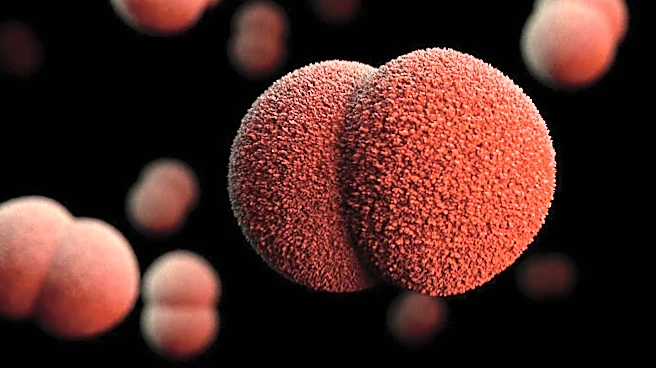
Scientists at Washington University School of Medicine have discovered a shared biological vulnerability in enterotoxigenic E. coli and Shigella, two major causes of diarrheal disease. The research, published in PNAS, reveals that these bacteria rely
on three related enzymes to penetrate the gut's protective mucus layer. Antibodies targeting a common region of these enzymes can neutralize the bacteria, suggesting the potential for a single vaccine to protect against both pathogens. This discovery is significant as it could lead to the development of a vaccine to prevent severe diarrheal diseases, which are particularly deadly for children.
Why It's Important?
The identification of a common vulnerability in these gut bacteria is a major breakthrough in the fight against diarrheal diseases, which cause significant morbidity and mortality worldwide. The potential development of a vaccine could have a profound impact on global health, particularly in developing countries where these diseases are prevalent. Additionally, reducing reliance on antibiotics to treat these infections could help combat the growing issue of antibiotic resistance. The research also highlights the importance of targeting early stages of infection to prevent disease, offering a new approach to vaccine development.
What's Next?
The research team is now working towards developing vaccines based on these findings. This involves further studies to refine the vaccine candidates and to test their efficacy in preventing infections. The development of a successful vaccine could significantly reduce the incidence of diarrheal diseases and save many lives, particularly in regions with high rates of infection. The findings also open up new avenues for research into other pathogens that use similar mechanisms to breach the body's defenses.