





What's Happening?
The United States, under the direction of the Office of the United States Trade Representative (USTR), has proposed new tariffs targeting several African economies, including Nigeria and South Africa. This move is part of a broader initiative to address
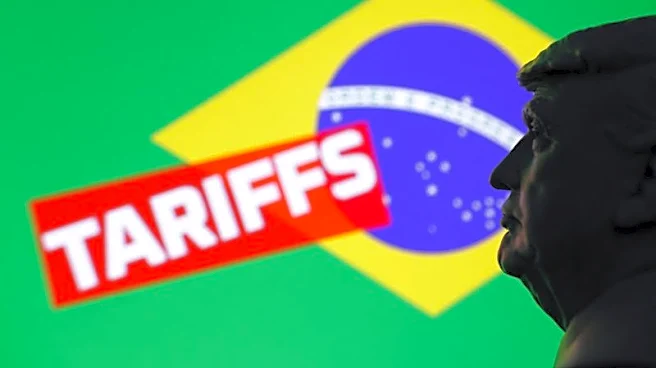
the importation of goods produced with forced labor. The USTR's Section 301 investigation identified 54 economies that have not sufficiently banned or enforced measures against such imports. The proposed tariffs could add an additional 10% to 12.5% on top of an existing 10% baseline duty, potentially raising total tariffs to 27.5% for some countries. The proposal is not limited to Africa; it also affects major trading partners like China, India, Vietnam, Brazil, and the United Kingdom. The proposal will undergo a public consultation process before any final decision is made, allowing affected countries to respond and possibly avoid penalties.
Why It's Important?
This proposal signifies a significant shift in U.S. trade policy, emphasizing ethical trade practices and the enforcement of labor standards. If implemented, the tariffs could impact the competitiveness of affected countries in the U.S. market, potentially reducing their export earnings. For the U.S., this move could lead to higher prices for imported goods, affecting consumers and businesses reliant on these imports. The proposal also highlights the U.S.'s commitment to addressing human rights issues in global trade, which could influence international trade relations and negotiations. Countries facing these tariffs may need to reassess their labor practices and trade policies to maintain access to the U.S. market.
What's Next?
The proposed tariffs will undergo a public consultation process, providing an opportunity for affected countries to present their cases and potentially negotiate terms to avoid the penalties. This process will likely involve diplomatic discussions and could lead to changes in trade practices or enforcement measures by the affected countries. The outcome of these consultations will be crucial in determining the final implementation of the tariffs. Additionally, the U.S. may face reactions from international trade partners and organizations, which could influence future trade agreements and policies.