







What's Happening?
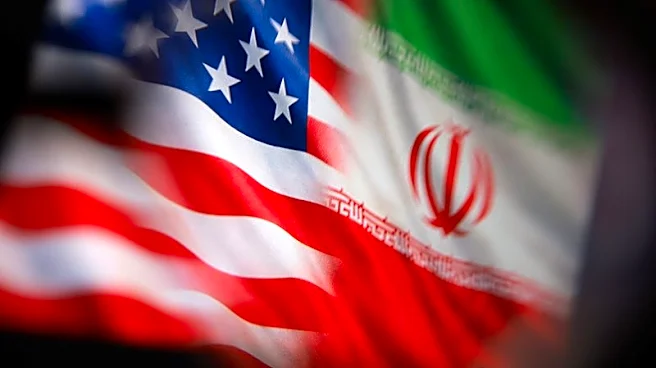
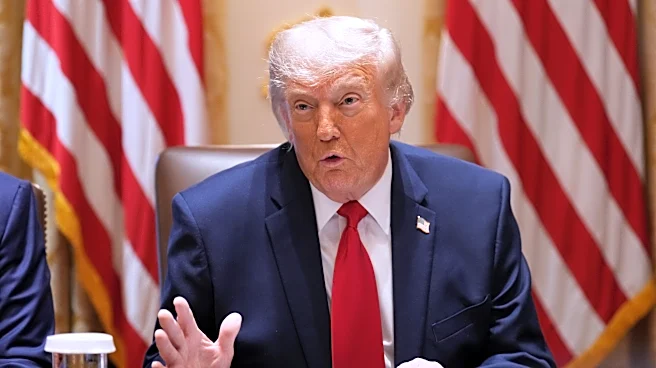
The United States and Iran have reportedly reached a preliminary agreement on a 60-day memorandum of understanding aimed at extending a ceasefire and initiating nuclear negotiations. However, President Trump has not yet approved the deal. While U.S. officials
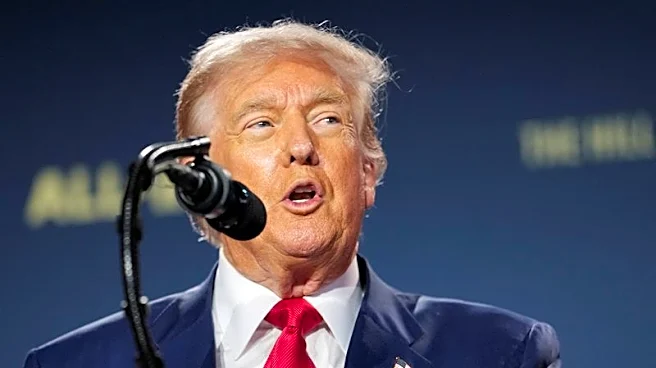
claim that Iranian authorities have agreed to the terms, Tehran has not confirmed this. The development comes amid heightened tensions, as Iran's military launched missiles at unidentified targets and deployed drones near the Strait of Hormuz. The U.S. Treasury has also sanctioned Iran's Persian Gulf Strait Authority, which was established to control transit through the strait. Treasury Secretary Scott Bessent emphasized that any agreement must include Iran relinquishing its enriched uranium and ensuring the Strait of Hormuz remains open.
Why It's Important?
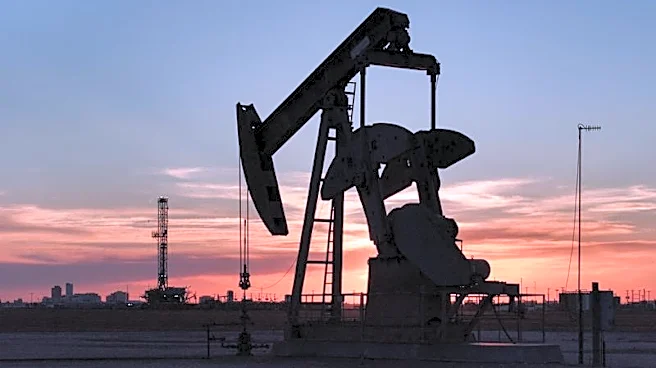
This tentative agreement represents a potential de-escalation in the ongoing conflict between the U.S. and Iran, which has significant implications for regional stability and global oil markets. The Strait of Hormuz is a critical chokepoint for oil shipments, and any disruption could impact global oil prices. The agreement could also pave the way for renewed nuclear negotiations, which have been a contentious issue in U.S.-Iran relations. However, the situation remains volatile, with military actions and sanctions indicating ongoing tensions. The outcome of these negotiations could affect U.S. foreign policy and economic interests, particularly in the energy sector.
What's Next?
The next steps involve President Trump deciding whether to approve the memorandum of understanding. If approved, it could lead to a temporary ceasefire and the start of nuclear talks. However, the situation remains fluid, with potential for further military actions or diplomatic developments. The U.S. will likely continue to monitor Iran's actions closely, particularly regarding the Strait of Hormuz. Additionally, the international community will be watching for any shifts in U.S. policy or further sanctions that could impact global markets.