






What's Happening?
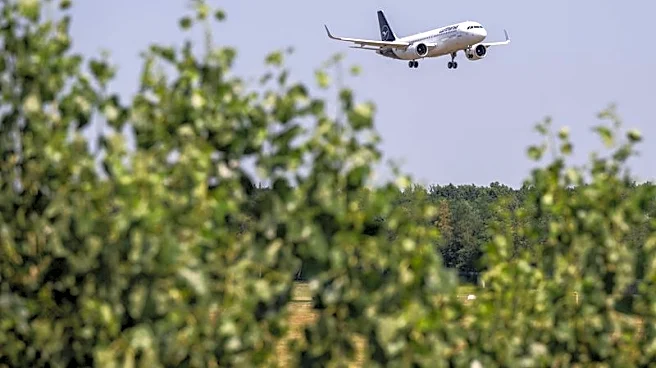
Travelers planning trips to Europe this summer are facing uncertainty due to a potential jet fuel shortage. The shortage is linked to a global oil crisis triggered by the conflict in the Middle East, which has driven up gas prices and increased airfare
costs. While there have been no mass flight cancellations yet, experts suggest that smaller airports may experience cutbacks if the situation worsens. European Union leaders are monitoring the situation and have plans to tap into emergency jet fuel reserves if necessary. Airlines are also exploring options to manage supply constraints, such as tankering fuel.
Why It's Important?
The potential jet fuel shortage could significantly impact the travel industry, leading to increased costs and reduced flight availability. This situation highlights the interconnectedness of global energy markets and the vulnerability of the aviation sector to geopolitical events. Travelers may face disruptions and need to consider alternative travel plans, such as using trains or booking flexible accommodations. The crisis underscores the importance of energy security and the need for diversified supply chains to mitigate the impact of future disruptions.
What's Next?
European Union leaders are working to secure alternative jet fuel supplies, including potential imports from the United States. Airlines may implement strategies to manage fuel shortages, such as adjusting flight schedules and conserving fuel. The situation remains dynamic, and further developments in the geopolitical landscape could influence the availability and price of jet fuel. Travelers are advised to stay informed and consider contingency plans for their travel itineraries.