





What's Happening?
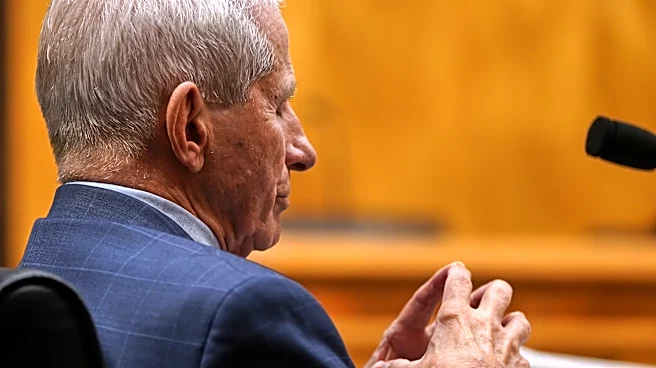
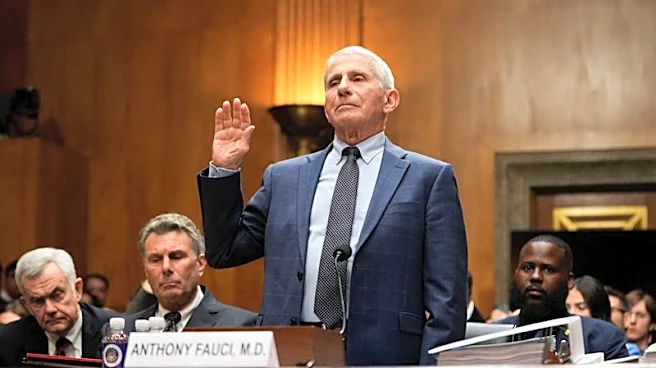
Senator Richard Blumenthal of Connecticut has publicly criticized the Republican Party for its perceived anti-science stance, particularly during a hearing targeting Dr. Anthony Fauci. Blumenthal accused the GOP of conducting a 'show trial' against Fauci,
who has been a prominent figure in public health for decades. The hearing, led by Senator Rand Paul, focused on Fauci's handling of the COVID-19 pandemic, with accusations of misinformation. Blumenthal defended Fauci, highlighting his contributions to combating various health crises, including COVID-19, HIV/AIDS, and Ebola. He argued that the hearing was part of a broader campaign by the Trump administration to undermine scientific facts and public health efforts. Blumenthal's remarks underscore the ongoing political tensions surrounding health policy and science in the U.S.
Why It's Important?
The criticism from Senator Blumenthal highlights the deep political divide in the U.S. regarding science and health policy. The GOP's stance, as described by Blumenthal, could have significant implications for public trust in scientific institutions and health authorities. The hearing against Fauci reflects broader debates about the role of science in policymaking, especially in the context of the COVID-19 pandemic. Blumenthal's defense of Fauci and science underscores the importance of evidence-based policy decisions, which are crucial for effective public health responses. The political attacks on Fauci may also affect the morale and credibility of health professionals, potentially impacting future health initiatives and public cooperation.
What's Next?
The political battle over science and health policy is likely to continue, with potential implications for upcoming elections and legislative agendas. Stakeholders, including health professionals and scientific organizations, may increase advocacy efforts to defend evidence-based policies. The ongoing scrutiny of Fauci and other health officials could lead to further hearings and investigations, influencing public perception and policy decisions. As the political landscape evolves, the role of science in shaping health policy will remain a contentious issue, with potential impacts on public health outcomes and trust in government institutions.
Beyond the Headlines
The hearing against Fauci and the criticism from Blumenthal may have broader implications for the cultural perception of science in the U.S. The politicization of health issues could lead to increased skepticism and misinformation, affecting public health efforts. The debate also raises ethical questions about the role of political agendas in shaping scientific discourse and policy. Long-term, this could influence educational priorities and public understanding of science, impacting future generations' engagement with scientific issues.