


What's Happening?
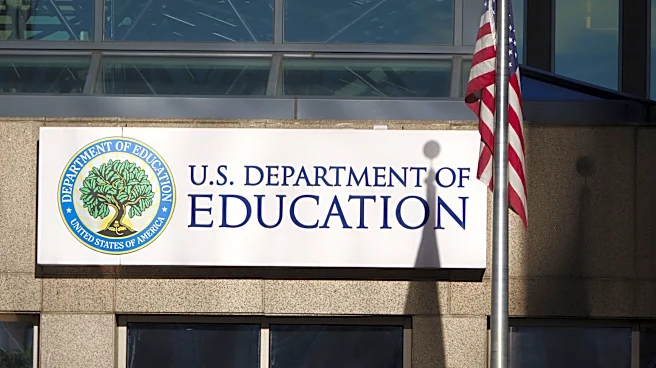
On October 30, 2026, the American Federation of Teachers (AFT) filed a class-action lawsuit, *Weingarten v. McMahon*, against the Department of Education. The lawsuit alleges that the Department has improperly delayed Public Service Loan Forgiveness (PSLF)
Buyback applications, removed previously earned qualifying payment credits, and failed to accurately count some borrowers' recent qualifying payments. The AFT claims that the backlog of Buyback applications has grown significantly, from approximately 49,000 in April 2025 to nearly 90,000 by March 2026, with about 88,000 still pending in April 2026. At the Department's historical processing rate, it could take over 18 months to clear this backlog without new applications. PSLF Buyback allows eligible borrowers to purchase months spent in deferment or forbearance to count towards the 120 required payments for forgiveness, potentially at a lower rate than current payments. Separately, the Trump administration dropped its appeal in October 2026 regarding a rule that would have allowed the Department to disqualify certain employers for PSLF based on 'substantial illegal purpose,' meaning that rule is no longer in effect.
Why It's Important?
This lawsuit is significant for thousands of public service workers who rely on the PSLF program to manage their student loan debt. Delays in processing Buyback applications and alleged errors in payment credit counting can prolong financial burdens for borrowers who have dedicated years to public service. The potential for a successful lawsuit could compel the Department of Education to expedite application processing and rectify repayment histories, providing much-needed relief. The abandonment of the appeal concerning employer eligibility restrictions also offers stability and clarity for PSLF participants, ensuring that their employment status is not arbitrarily jeopardized. These developments highlight ongoing challenges in the administration of federal student loan programs and the critical need for efficient and accurate processing to uphold the integrity of forgiveness initiatives designed to support public servants.
What's Next?
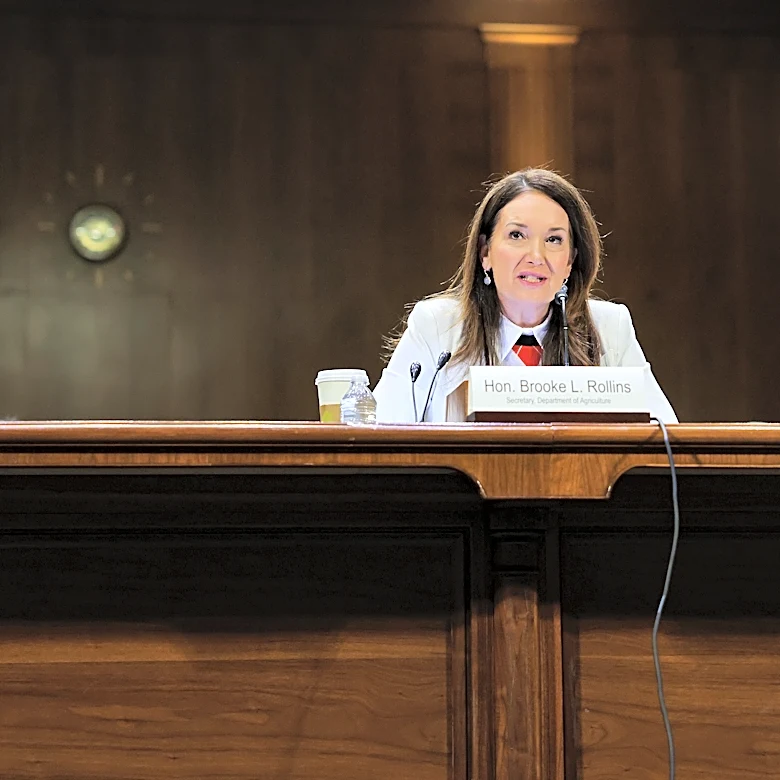
The *Weingarten v. McMahon* lawsuit will proceed through the courts, with potential legal battles and discovery phases. The outcome could lead to a court order mandating specific actions from the Department of Education regarding PSLF Buyback applications and credit adjustments. The recent Democratic takeover of Congress may also increase pressure on the Department to address these issues, potentially through increased congressional oversight, hearings, and investigations into the Department's administration of federal student loan programs. While the lawsuit's success is not guaranteed, it could influence the Department's operational priorities. Borrowers with pending Buyback applications are advised to continue making qualifying payments and monitor their application status, as immediate changes in processing times are uncertain. The new Congress, taking office in January 2027, will likely scrutinize the Department's staffing and resources, which could indirectly impact processing capabilities.
Beyond the Headlines
The AFT lawsuit and the broader scrutiny of PSLF administration underscore systemic issues within the federal student loan system, particularly concerning the Department of Education's capacity to manage complex programs. The significant backlog and alleged errors raise questions about accountability and the effectiveness of government agencies in delivering promised benefits. This situation could lead to a re-evaluation of the Department's operational structure, staffing levels, and technological infrastructure. Furthermore, the legal challenges highlight the ongoing tension between policy intent (supporting public service) and administrative execution. The outcome could set precedents for how government agencies are held accountable for delays and errors in large-scale benefit programs, potentially influencing future legislative efforts to streamline student loan forgiveness processes and enhance borrower protections. It also emphasizes the role of advocacy groups like the AFT in ensuring the proper implementation of federal programs.