

What's Happening?
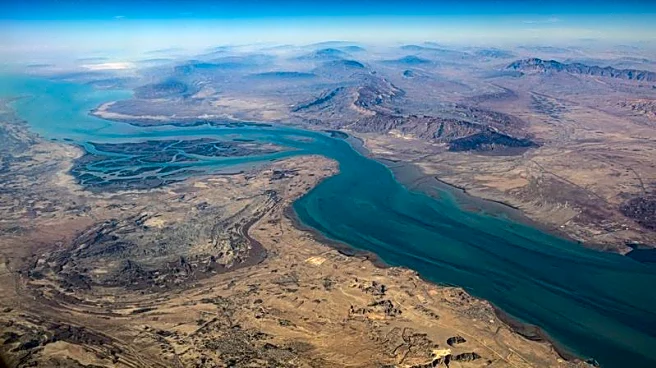
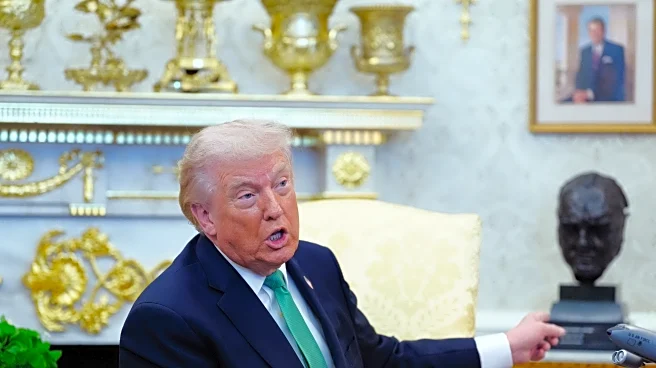
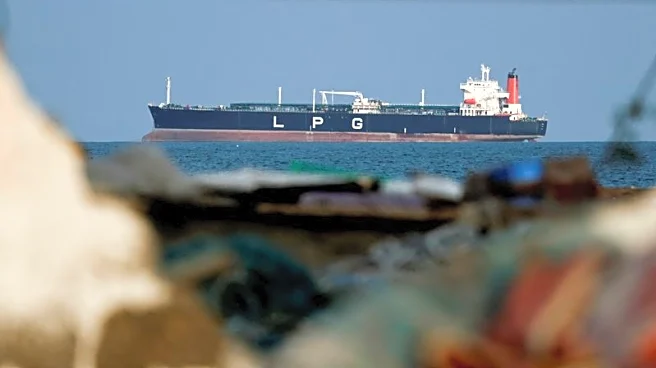
President Trump has expressed intentions to 'take' Cuba, escalating tensions with major U.S. allies. This development comes as Trump pressures allies to assist in reopening the Strait of Hormuz, a critical maritime passage for global oil shipments. The
situation highlights ongoing geopolitical challenges and the potential for increased diplomatic strain between the U.S. and its allies. Trump's remarks on Cuba add a new dimension to the U.S.'s foreign policy stance, potentially impacting international relations and regional stability.
Why It's Important?
President Trump's consideration of action against Cuba could have significant implications for U.S. foreign policy and international relations. Such a move may strain diplomatic ties with countries that have historically opposed U.S. intervention in Cuba. It could also affect trade relations and economic partnerships, particularly with nations that have vested interests in the region. The situation underscores the complexities of U.S. foreign policy under Trump's leadership and the potential for increased geopolitical tensions.
What's Next?
The international community will be closely monitoring the U.S.'s next steps regarding Cuba and the Strait of Hormuz. Potential diplomatic negotiations or military actions could arise, influencing global political dynamics. Allies may respond with diplomatic pressure or seek to mediate the situation to prevent escalation. The U.S. administration will need to navigate these challenges carefully to maintain international alliances and avoid further geopolitical instability.