







What's Happening?
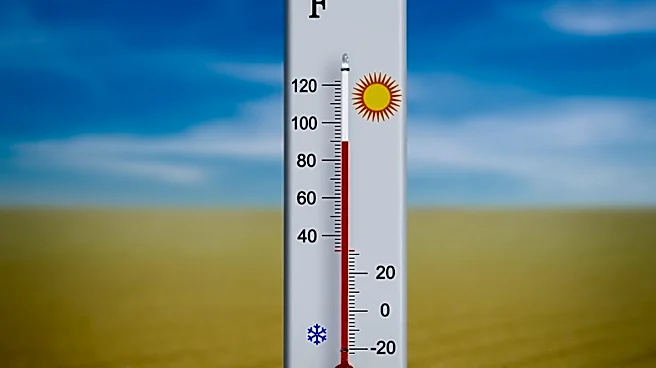
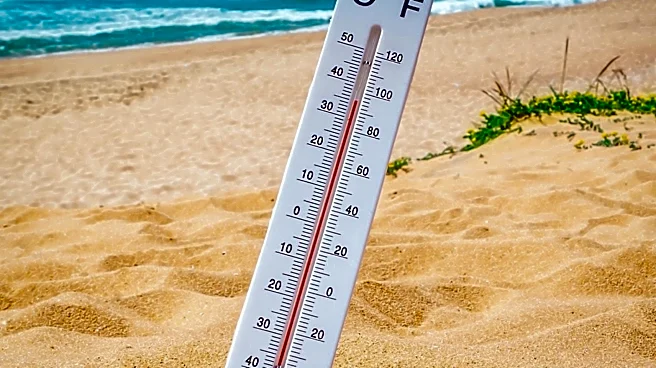
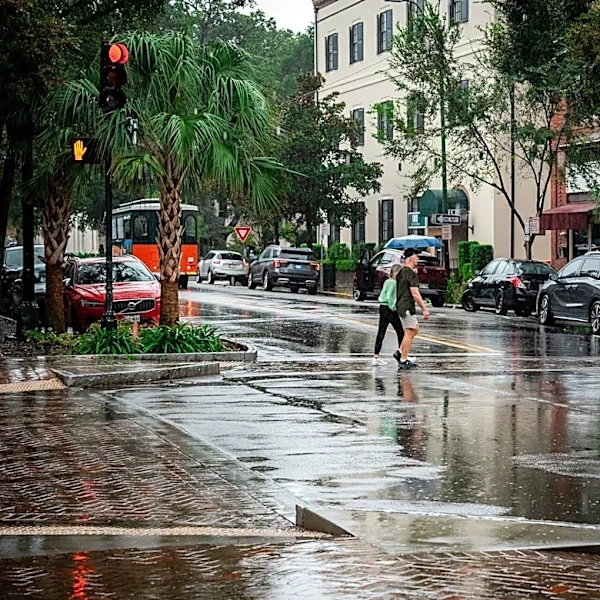
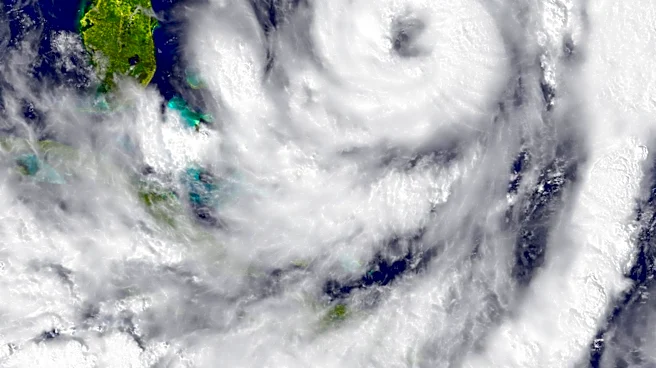
South Florida is currently experiencing a severe heatwave, with temperatures expected to remain high in the coming days. The region is facing minimal chances of rain, which could have provided some relief from the intense heat. This weather pattern is part
of a broader trend affecting various parts of the United States, where high temperatures are becoming more frequent and prolonged. The lack of precipitation is exacerbating the situation, making it difficult for residents to find respite from the heat.
Why It's Important?
The ongoing heatwave in South Florida is significant as it poses health risks to the population, particularly the elderly and those with pre-existing health conditions. Prolonged exposure to high temperatures can lead to heat-related illnesses such as heat exhaustion and heat stroke. Additionally, the heatwave can strain local infrastructure, including power grids, as the demand for air conditioning increases. This situation highlights the broader challenges posed by climate change, as extreme weather events become more common and severe.
What's Next?
With no immediate relief in sight, local authorities may need to implement measures to protect vulnerable populations, such as opening cooling centers and issuing heat advisories. Residents are advised to stay hydrated, avoid outdoor activities during peak heat hours, and check on neighbors who may be at risk. The situation also underscores the need for long-term strategies to address climate change and improve urban resilience to extreme weather events.