





What's Happening?
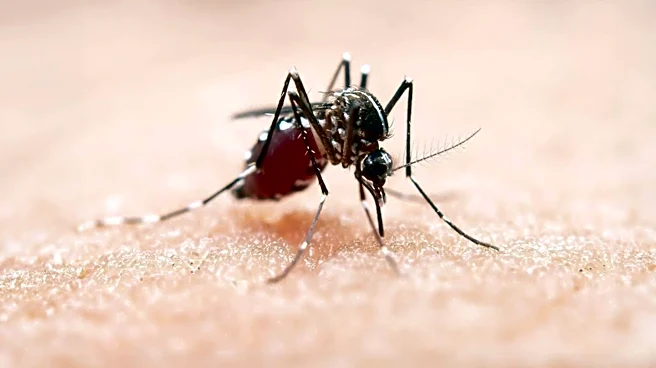
Kenosha County has reported its first human case of West Nile Virus in 2026, affecting a county resident. Officials are advising the public to continue taking precautions against mosquito bites to prevent further infections. West Nile Virus is transmitted
to humans through the bite of infected mosquitoes, which acquire the virus from infected birds. This announcement highlights the ongoing presence of the virus in the region and the importance of public health measures to mitigate its spread. The Kenosha News reported on this development, emphasizing the need for residents to protect themselves.
Why It's Important?
The confirmation of a human West Nile Virus case underscores a public health concern for Kenosha County residents. While not every mosquito bite leads to infection, the presence of the virus means there is a risk of serious illness, particularly for vulnerable populations. Public health campaigns often focus on prevention, as there is no specific treatment for West Nile Virus. The call for residents to protect themselves against mosquito bites is crucial for reducing the incidence of the disease and preventing potential outbreaks. This situation highlights the continuous need for local health departments to monitor vector-borne diseases and inform the public about protective measures.
What's Next?
Following the confirmation of the first human case, Kenosha County public health officials are expected to intensify their surveillance efforts for West Nile Virus. This may include increased mosquito trapping and testing, as well as continued public awareness campaigns. Residents will likely be reminded to use insect repellent, wear long sleeves and pants during peak mosquito activity, and eliminate standing water around their homes to reduce mosquito breeding sites. The focus will remain on prevention and early detection to manage the spread of the virus within the community.
Beyond the Headlines
The recurring presence of West Nile Virus in regions like Kenosha County points to broader environmental and ecological factors influencing vector-borne diseases. Climate patterns, such as temperature and rainfall, can affect mosquito populations and the transmission cycle of the virus. This annual public health challenge also highlights the importance of community engagement in disease prevention, as individual actions like reducing standing water can collectively impact public health outcomes. The long-term implications involve adapting public health strategies to changing environmental conditions and ensuring sustained public awareness regarding mosquito-borne illnesses.