






What's Happening?
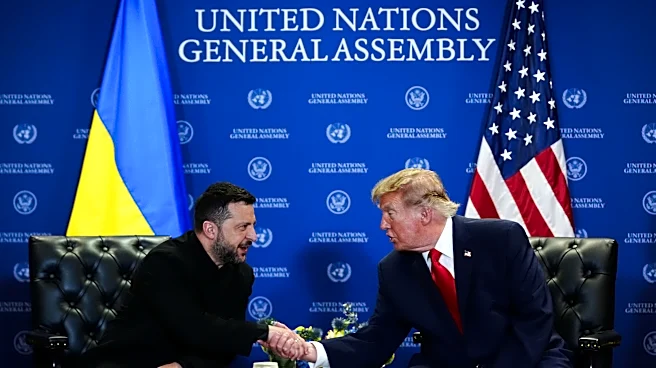
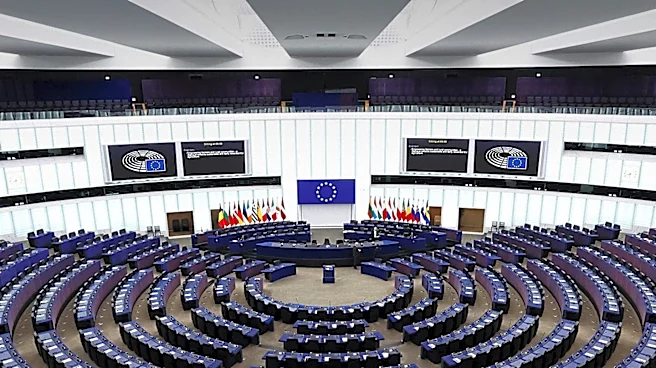
The European Union and its Member States voted in favor of a United Nations General Assembly Resolution on Pandemic Prevention, Preparedness, and Response (PPPR), delivered by the Permanent Mission of Ireland to the UN. While supporting the overarching
objective of a safer and healthier world, the EU expressed several reservations regarding specific elements of the text. The resolution emphasizes the primary responsibility of states in strengthening PPPR, integrating PPPR action into health systems, and promoting effective regulatory systems, science-based communication, and vaccination. It also enshrines the One Health Approach to prevent zoonotic spillovers and antimicrobial resistance. The EU welcomed the resolution's support for coordination among the World Health Organization and global health initiatives like the Pandemic Fund. However, the EU dissociated itself from uncaveated references to technology transfer, which they maintain should be voluntary and on mutually agreed terms. They also disagreed with certain financial gap quantifications and the lack of reference to the WHO Hub for Pandemic and Epidemic Intelligence in paragraph 42.
Why It's Important?
This development highlights the ongoing complexities and differing perspectives among international bodies and member states regarding global pandemic preparedness. The EU's nuanced position, supporting the resolution's core goals while expressing specific reservations, underscores the challenges in achieving universal consensus on the implementation details of international health agreements. The emphasis on state responsibility and the One Health Approach reflects a global recognition of the interconnectedness of human, animal, and environmental health in preventing future pandemics. The EU's concerns about technology transfer and financial mechanisms indicate potential areas of friction in future negotiations and resource allocation for global health initiatives. The resolution's impact on the U.S. could be significant as it contributes to the global framework for pandemic response, influencing international cooperation and potentially setting precedents for future health policies and funding strategies that the U.S. would be a part of or affected by.
What's Next?
The resolution's elements are intended to be embodied in the amended International Health Regulations and the Pandemic Agreement, allowing member states to strengthen IHR implementation and advance the finalization of the negotiation of the PABS annex. This will enable the signature and ratification of the Pandemic Agreement. Despite the EU's reservations, their vote in favor indicates a commitment to the broader goals of pandemic preparedness. Future discussions will likely focus on resolving the points of contention, particularly regarding technology transfer, financial mechanisms, and the specific roles of various international health bodies. The operationalization of the Coordinating Financial Mechanism will be a key next step. The ongoing negotiations and implementation of these instruments will shape the global response to future health crises, requiring continued diplomatic efforts to bridge differing national interests and ensure effective international collaboration.
Beyond the Headlines
The EU's stance reveals a deeper tension between the desire for global solidarity in health crises and the protection of national interests, particularly concerning intellectual property and financial contributions. The debate over technology transfer, for instance, touches upon the ethical considerations of equitable access to life-saving innovations versus the economic incentives for research and development. The resolution's focus on a 'holistic approach' and the 'One Health Approach' signifies a paradigm shift in pandemic planning, moving beyond purely medical interventions to encompass broader ecological and societal factors. This integrated approach could lead to more comprehensive and sustainable strategies for preventing future pandemics, but it also necessitates unprecedented levels of cross-sectoral cooperation and resource allocation. The ongoing discussions will likely influence the balance of power within global health governance and the future architecture of international health security.