








What's Happening?
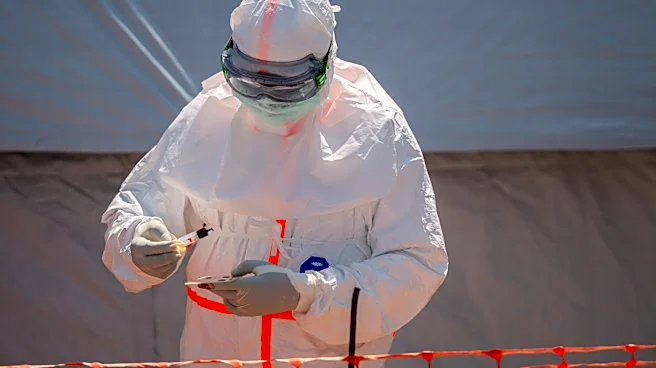
In the Democratic Republic of the Congo (DRC), the Ebola outbreak continues to spread, with four out of every five new cases having no known link to existing patients. This suggests the true scale of the outbreak could be significantly larger than official
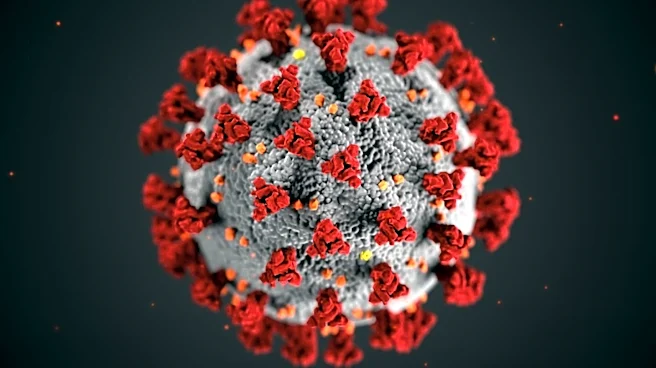
data indicates. The outbreak, primarily affecting Ituri province, has infected 1,792 people and resulted in 625 deaths. The Bundibugyo strain of the virus, which may cause milder symptoms, is leading some families to care for sick relatives at home, increasing the risk of transmission. The World Health Organization warns that the outbreak could be two to four times larger than reported.
Why It's Important?
The lack of known links between new cases and existing patients highlights the challenges in tracking and containing the outbreak. The potential underestimation of the outbreak's scale poses a significant threat to public health in the DRC and beyond. The situation underscores the need for robust surveillance and community engagement to identify and isolate cases promptly. The ongoing transmission in densely populated areas like Bunia increases the risk of further spread, necessitating urgent international support and intervention.
What's Next?
Authorities are training 21,000 community health workers to conduct house-to-house visits and encourage symptomatic individuals to seek care. Strengthening surveillance and community engagement will be critical in controlling the outbreak. The international community may need to provide additional resources and support to bolster the DRC's response efforts. Monitoring the situation closely and adapting strategies as needed will be essential to prevent further escalation.