





What's Happening?
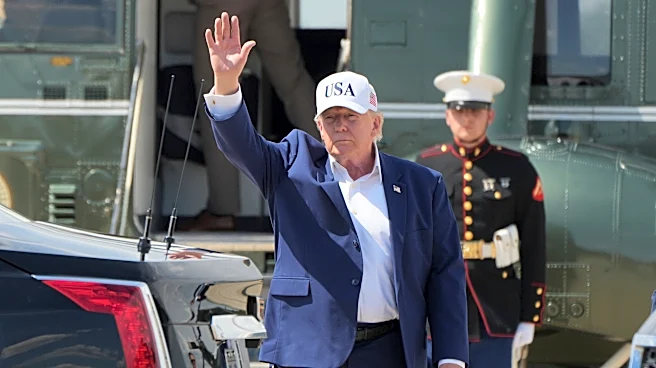
President Trump has expressed his dissatisfaction with The New York Times following an article that questioned the outcomes of his administration's military actions in Iran. The article, written by Neil MacFarquhar, suggested that after nearly 100 days
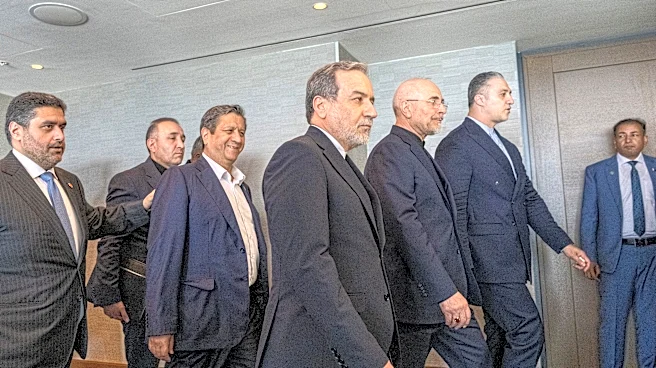
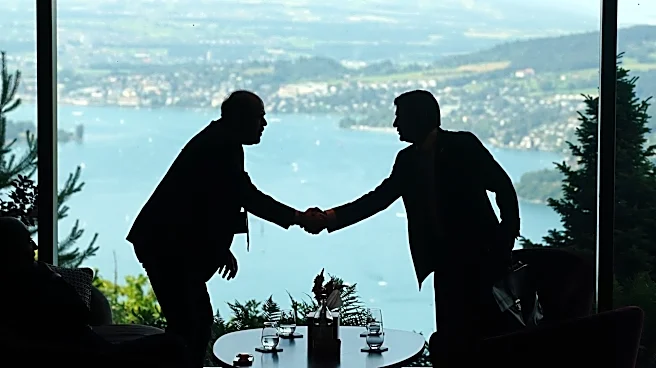
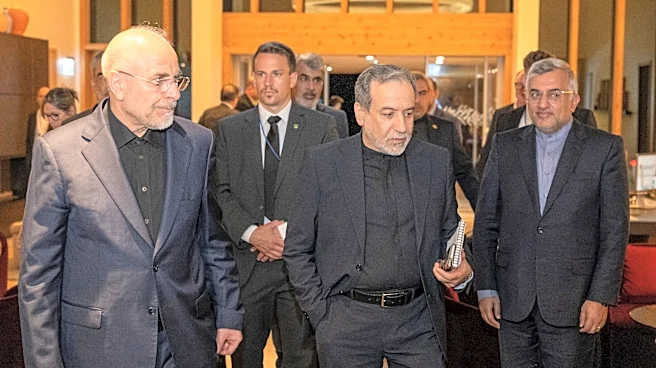
of conflict, the U.S. and Iran reached a vague memorandum of understanding, with little change in the geopolitical landscape. Trump responded with a series of social media posts, labeling the publication as 'corrupt and unethical' and threatening to update his existing lawsuit against them. The article highlighted that Iran's nuclear capabilities remain intact and criticized the peace deal for not addressing Iran's ballistic missile program. Trump countered these claims by asserting that significant military and economic victories had been achieved, including the opening of the Strait of Hormuz and record highs in the U.S. stock market.
Why It's Important?
The conflict between President Trump and The New York Times underscores ongoing tensions between the media and political figures regarding the portrayal of international conflicts. The article's claims challenge the narrative of success that the Trump administration has promoted, potentially influencing public perception and policy discussions. The legal threats from Trump highlight the contentious relationship between the press and the presidency, raising questions about freedom of the press and the role of media in holding government accountable. The situation also reflects broader geopolitical implications, as the U.S.-Iran relations remain a critical issue in international diplomacy and security.
What's Next?
President Trump's legal team may proceed with updating the lawsuit against The New York Times, which could lead to a high-profile court case. The outcome of this legal battle could set precedents for future interactions between political figures and media organizations. Additionally, the U.S. administration's next steps in handling relations with Iran will be closely watched, particularly regarding the enforcement of the peace deal and any further military actions. The media's coverage of these developments will continue to play a significant role in shaping public opinion and policy decisions.