
What's Happening?
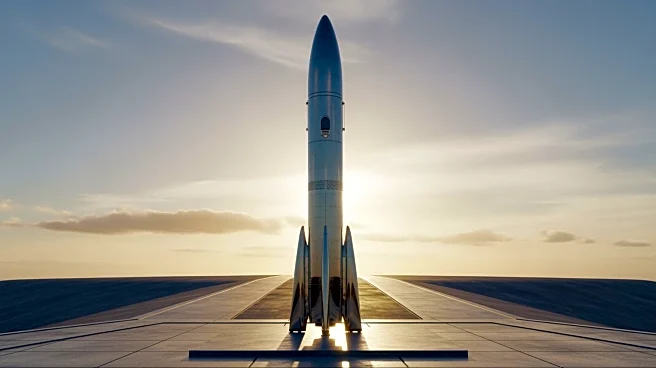
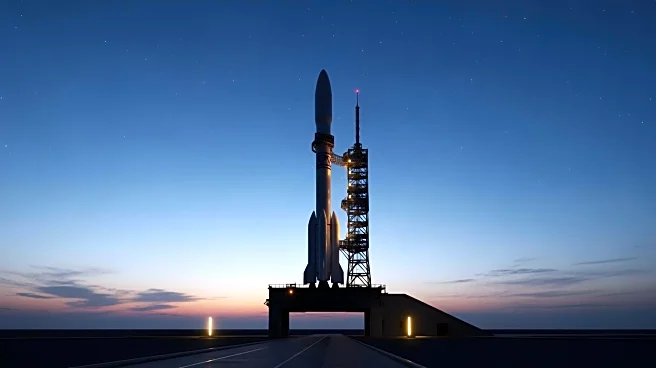
SpaceX has successfully launched its first rideshare mission of 2026, named Twilight, from Vandenberg Space Force Base in California. The mission, which took place on January 11, includes NASA's Pandora exoplanet characterization mission among its 40
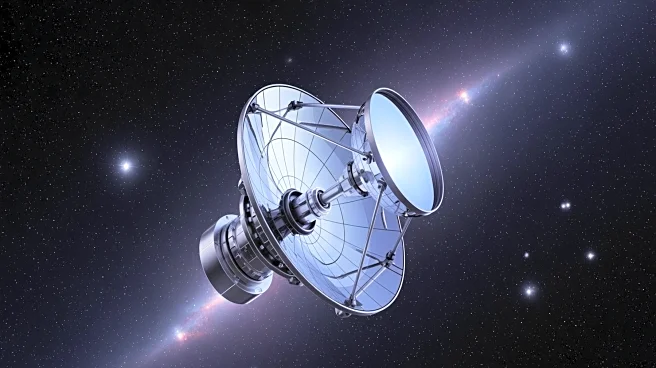
payloads. The Falcon 9 rocket deployed these payloads into a sun-synchronous orbit, with the Pandora mission aiming to study exoplanet atmospheres using a 45 cm telescope. This mission marks a significant step for SpaceX as it continues its high launch cadence and works towards operational service for the Starship system.
Why It's Important?
The Twilight mission represents a critical advancement in exoplanet research, providing NASA with the tools to study the atmospheres of distant planets. This could lead to significant discoveries about the potential for life beyond Earth. For SpaceX, the mission underscores its capability to support scientific endeavors while maintaining a high frequency of launches. The success of such missions could bolster SpaceX's reputation and lead to more collaborations with scientific institutions, potentially influencing the future of space exploration and commercial spaceflight.
What's Next?
Following the Twilight mission, SpaceX plans to continue its high launch cadence with additional Falcon 9 and Falcon Heavy launches throughout the year. The company is also focusing on advancing the Starship system towards operational service. For NASA, the data collected from the Pandora mission will be analyzed to gain insights into exoplanetary atmospheres, which could inform future missions and research. The collaboration between SpaceX and NASA is likely to continue, with potential for more joint missions aimed at scientific discovery.