





What's Happening?
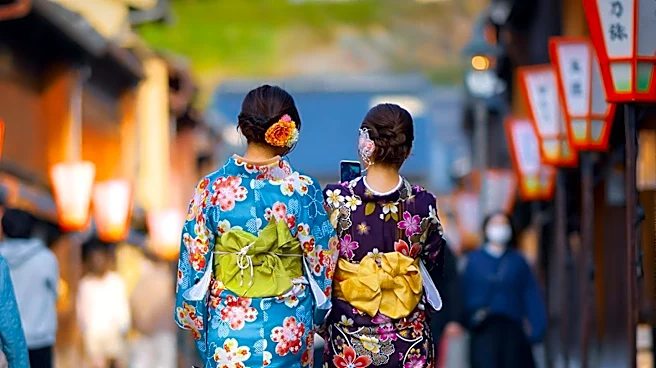
Twenty-six undergraduate students from the University of Maryland Eastern Shore (UMES) recently completed the institution's first study abroad trip to Japan. The eight-day program, held from May 18-25, focused on kinesiology, hospitality, and immersive
cultural learning. This trip marked the second-largest study abroad initiative undertaken by UMES. Dr. Yen Dang, professor and chair of the Department of Kinesiology, highlighted that the experience significantly contributed to the students' personal and professional development, pushing them out of their comfort zones. Many participants, half of whom had never traveled abroad or possessed a passport before, expressed a newfound desire to study or even live in Japan. The program, a collaboration between the Kinesiology and Hospitality and Tourism Management departments, involved a year of planning and cost $5,600 per student, with some receiving partial scholarships.
Why It's Important?
This inaugural trip for UMES students to Japan underscores the growing importance of cultural immersion and international education for U.S. university students. Such experiences are vital for broadening perspectives, enhancing adaptability, and developing critical life skills that are increasingly necessary in a globalized world. For many students, particularly those from Historically Black Colleges and Universities (HBCUs) like UMES, these opportunities can be transformative, offering exposure to diverse cultures and challenging preconceived notions. The trip's focus on navigating language barriers and adapting to local customs directly contributes to improved communication skills and self-reliance. Furthermore, the blend of academic disciplines (kinesiology and hospitality) with cultural learning provides a unique, interdisciplinary approach to education, preparing students for a wider range of career paths and global interactions. The positive reception from students, with many now considering further international study or residency, indicates a significant impact on their future aspirations.
What's Next?
Following the success of this trip, Dr. Yen Dang expressed intentions to develop more Asia-centric study abroad programs in the future, aiming to further increase student interest in international travel. This suggests a potential expansion of UMES's international education offerings, providing more opportunities for students to engage in similar transformative experiences. The university may seek additional funding and partnerships to make these programs more accessible to a broader student body, especially considering the cost per student. The positive feedback and observed growth among participants will likely serve as a strong case for continued investment in such initiatives. The emphasis on living like locals and navigating daily challenges independently will remain a key component, fostering greater self-sufficiency and cultural understanding in future programs.
Beyond the Headlines
Beyond the immediate educational benefits, trips like these contribute to a broader understanding and appreciation of global diversity within the U.S. student population. For students from HBCUs, these experiences can be particularly empowering, challenging stereotypes and fostering a sense of global citizenship. The interactions with locals, even with language barriers, highlight the universal aspects of human connection and the value of cultural exchange. The adaptation to different social norms, such as the quiet nature of Japanese public spaces or the efficiency of their transit systems, offers practical lessons in cultural sensitivity and observation. This kind of deep cultural engagement can lead to long-term shifts in personal worldviews, encouraging a more inclusive and globally aware generation of professionals and citizens in the United States.