





What's Happening?
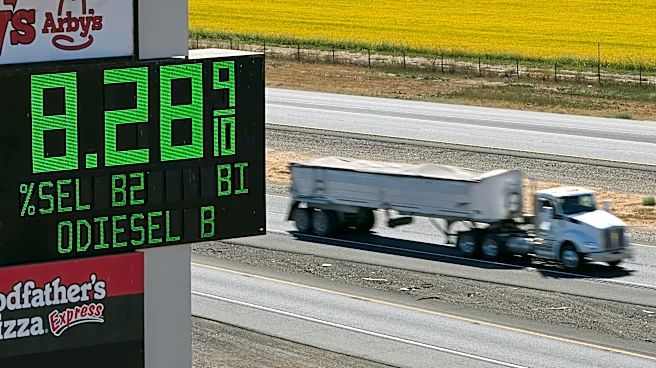
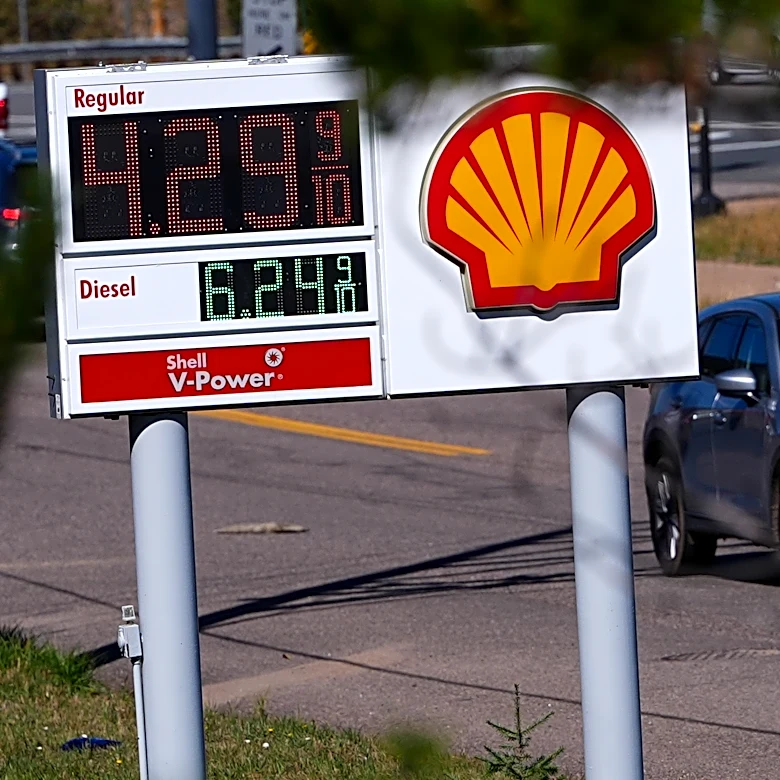
A new study is challenging the long-held economic belief that presidents do not significantly influence gas prices. Historically, economists have been skeptical of the public's tendency to blame or credit the White House occupant for fluctuations in fuel
costs. However, researchers at Georgia Tech, Matthew Oliver and Dylan Brewer, have conducted an analysis of 20 years of retail gasoline data that suggests otherwise. Their study aimed to control for all relevant variables, such as crude oil prices and macroeconomic conditions, which are typically considered the primary drivers of gas prices. Despite these controls, Oliver noted that a discernible difference in gas prices persisted between different presidential administrations. While the study identifies this difference, the researchers have not yet established a causal link or determined the specific mechanisms through which a president might impact gas prices. This research indicates a potential shift in understanding the complex factors influencing fuel costs.
Why It's Important?
This study holds significant importance for U.S. politics, public policy, and economic understanding. Gas prices are a highly visible and frequently discussed economic indicator that directly impacts American consumers and businesses. Public perception often links presidential actions to gas prices, influencing approval ratings and election outcomes. If this research can establish a causal link between presidential administrations and gas price variations, it could fundamentally alter how the public, policymakers, and economists view the role of the White House in the economy. It might lead to increased scrutiny of presidential energy policies, trade agreements, and regulatory decisions, potentially shifting the focus from global market forces to domestic leadership. For industries reliant on transportation, such as logistics and agriculture, understanding this potential influence could inform strategic planning and risk management. Conversely, if the link remains unproven, the study still highlights the need for more nuanced communication about economic factors to the public.
What's Next?
The next step for Georgia Tech economists Matthew Oliver and Dylan Brewer is to establish a causal link between the White House occupant and gas prices. Their current findings indicate a difference between administrations even after controlling for other variables, but the specific reasons for this difference are yet to be determined. Future research will likely focus on identifying the precise actions, policies, or market conditions under different presidencies that could contribute to these observed variations. This could involve deeper dives into regulatory changes, international relations, energy policies, or even the psychological impact of presidential rhetoric on market sentiment. The findings of this ongoing research could influence future economic models and public discourse surrounding energy policy. If a causal link is established, it could lead to more direct accountability for presidents regarding gas prices and potentially shape future election campaigns, with candidates needing to articulate clearer strategies for managing fuel costs.
Beyond the Headlines
Beyond the immediate economic implications, this study touches upon the broader psychological and political dynamics of public perception versus expert consensus. For years, economists have dismissed the public's tendency to blame the White House for gas prices as an oversimplification, yet this research suggests there might be a more complex, albeit undefined, connection. This discrepancy highlights a potential disconnect between academic understanding and lived experience, where the public's intuition, often dismissed, might contain a kernel of truth. Ethically, if presidents do indeed have an influence, it raises questions about the transparency and communication surrounding energy policy decisions. Legally, it could lead to calls for greater accountability or specific legislative frameworks to manage energy markets more effectively under different administrations. Culturally, gas prices are deeply intertwined with the American way of life, influencing everything from daily commutes to vacation plans, making any presidential influence a significant factor in the national mood and political landscape. The study implicitly challenges the notion of a purely free market in energy, suggesting that political leadership might play a more active, if subtle, role than previously acknowledged.