

What's Happening?
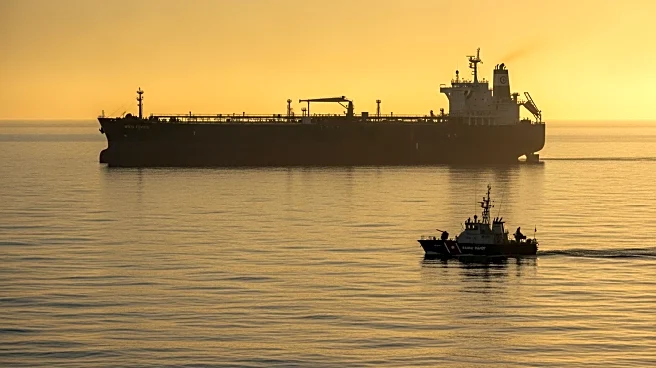
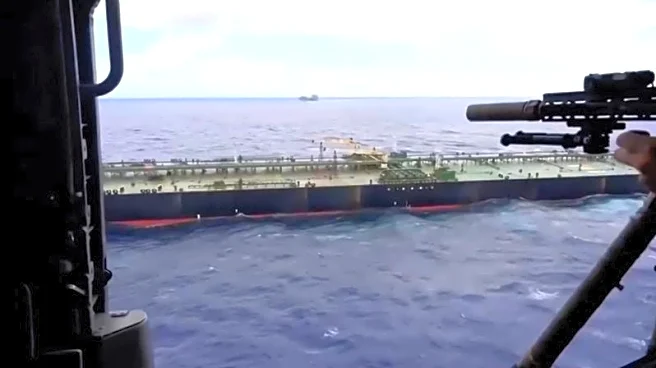
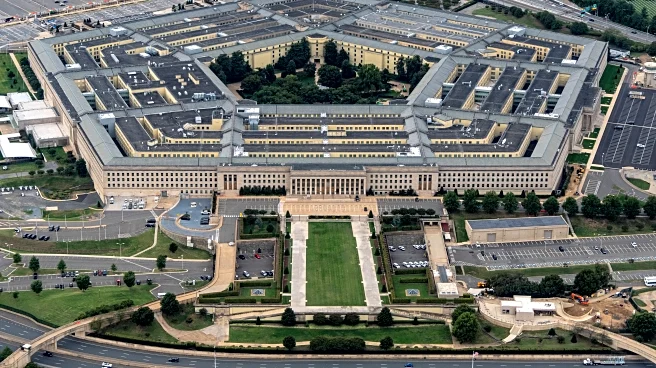
The U.S. military has seized a sanctioned oil tanker in the Indian Ocean, marking the third such interdiction in the region. The vessel, tracked from Caribbean waters, was carrying crude oil from Venezuela destined for China. This action comes amid ongoing
U.S.-Iran nuclear talks, with the U.S. seeking to curb Iran's nuclear ambitions. The situation is further complicated by the U.S. imposing a new 10% tariff on goods not covered by exemptions, a move that China is closely monitoring. Additionally, the U.S. State Department is withdrawing non-essential personnel from its embassy in Beirut due to concerns over potential military conflict with Iran.
Why It's Important?
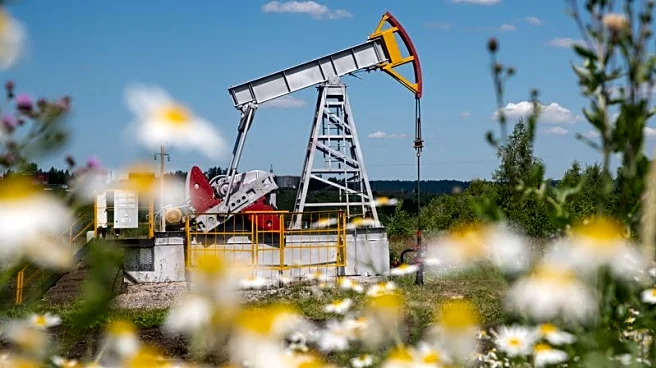
The seizure of the oil tanker underscores the U.S.'s commitment to enforcing sanctions against Venezuela and its allies, including China. This action could strain U.S.-China relations, especially as China considers countermeasures to U.S. tariffs. The situation also highlights the geopolitical risks affecting global oil prices, which include a premium due to U.S.-Iran tensions. The U.S.'s diplomatic and military strategies in the Middle East are crucial, as they impact global oil supply and international relations. The withdrawal of U.S. personnel from Beirut signals heightened concerns over regional stability, potentially affecting U.S. foreign policy and military engagements.
What's Next?
The U.S. and Iran are set to hold a third round of nuclear talks, which could influence future diplomatic and military actions. The outcome of these talks may affect oil prices and geopolitical stability in the Middle East. Meanwhile, the U.S. Energy Information Administration's upcoming report on oil inventories will provide further insights into domestic oil supply dynamics. China's response to U.S. tariffs will be closely watched, as it could lead to adjustments in trade policies. The situation in Venezuela, particularly its oil exports, will continue to be a focal point in U.S. foreign policy.