
What's Happening?
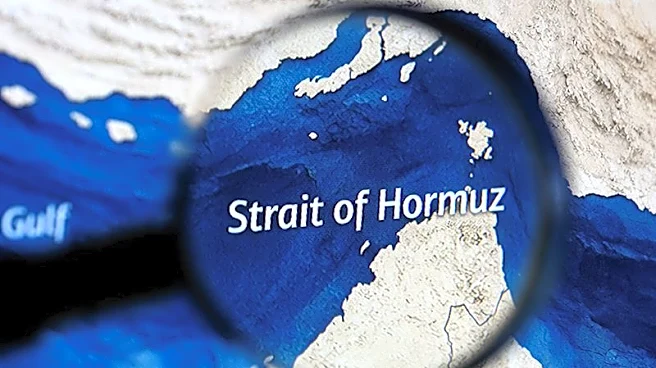
The International Maritime Organization (IMO) Secretary-General Arsenio Dominguez has urged the restoration of the Traffic Separation Scheme (TSS) in the Strait of Hormuz during a security summit in Paris.
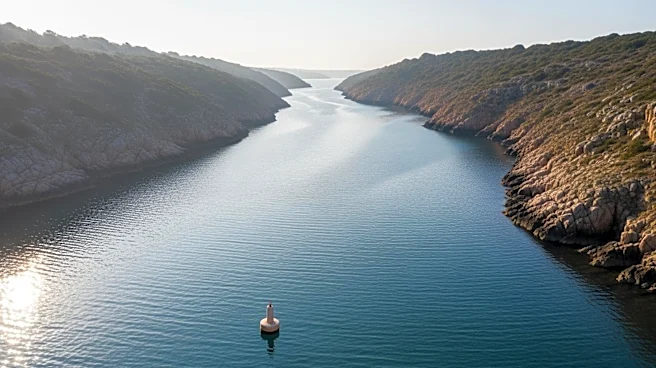
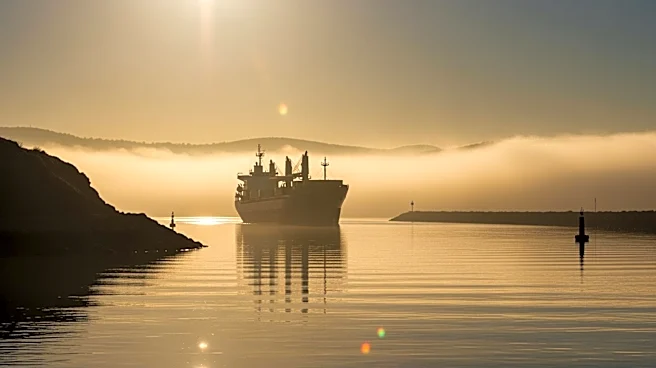
This call comes amid increased vessel movements in the area following a U.S.-brokered truce between Israeli forces and Iran-backed Hezbollah. The Strait of Hormuz, a critical maritime passage, has seen ships navigating through Iranian waters and Omani waters, raising concerns about potential collisions due to the multiplicity of routes. The TSS, established in 1968, is designed to ensure safe navigation and is supported by Oman, which controls the territorial waters in the narrows. The IMO's Convention on Safety of Life at Sea, ratified by 164 nations including the United States, mandates adherence to the TSS, rejecting any tolls or discriminatory transit measures.
Why It's Important?
The Strait of Hormuz is a vital corridor for global oil shipments, and disruptions in this area can have significant implications for international trade and energy markets. The call to restore the TSS highlights the importance of maintaining safe and efficient navigation in this strategic waterway. The increased vessel movements and the deviation from established routes pose risks of maritime accidents, which could lead to environmental damage and impact global shipping operations. Ensuring adherence to the TSS is crucial for preventing such incidents and maintaining stability in the region. The involvement of major stakeholders like Iran and Oman, along with international bodies like the IMO, underscores the geopolitical significance of the Strait and the need for cooperative management.
What's Next?
The restoration of the TSS in the Strait of Hormuz will require diplomatic efforts and cooperation among the involved nations, particularly Iran and Oman. The IMO's call for adherence to the established navigation scheme may prompt discussions on maritime safety and security in the region. Stakeholders, including shipping companies and international trade organizations, will likely monitor developments closely to assess the impact on shipping routes and schedules. The ongoing truce between Israeli forces and Hezbollah may also influence the security dynamics in the Strait, potentially affecting future maritime operations.
Beyond the Headlines
The situation in the Strait of Hormuz reflects broader geopolitical tensions in the Middle East, where maritime security is often intertwined with political conflicts. The adherence to international maritime conventions like the TSS is not only a matter of safety but also a demonstration of commitment to international norms and cooperation. The role of Oman as a steward of the TSS highlights the importance of regional actors in maintaining stability and facilitating international navigation. The potential for increased maritime traffic and the risk of collisions underscore the need for robust maritime governance and conflict resolution mechanisms.