







What's Happening?
A report from the Carnegie Endowment for International Peace, featuring perspectives from Gen Z, indicates a significant shift in global nuclear policy. The report highlights that the long-standing "nuclear taboo"—the norm against the use of nuclear weapons—is
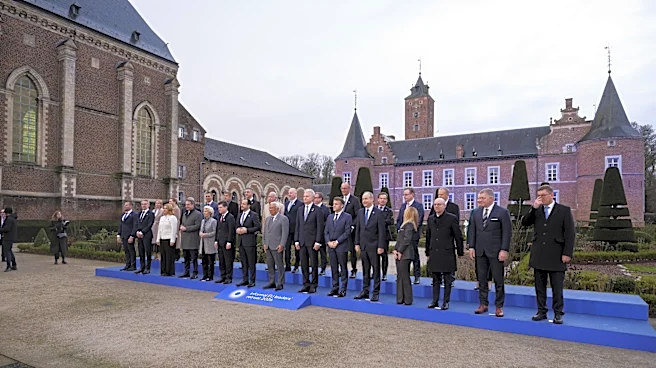
diminishing, potentially increasing the risk of their deployment in conflicts. This erosion of the taboo is compounded by the integration of artificial intelligence (AI) into the command and control systems of all five recognized nuclear-weapon states. This AI integration is tightening the control over nuclear decisions, potentially shaping the information leaders rely on when considering the use of nuclear weapons. The report also notes that current disarmament instruments face limitations, but nuclear-weapon-free zones (NWFZs) demonstrate that verified regional arrangements can effectively prevent nuclear weapons among non-nuclear states. Furthermore, as U.S. security guarantees are perceived to be eroding, there is a growing call for Europe to develop its own credible nuclear and conventional deterrent capabilities.
Why It's Important?
The fading nuclear taboo and the integration of AI into nuclear command systems represent critical developments with profound implications for global security. The diminishing norm against nuclear use increases the likelihood of miscalculation and escalation in international conflicts, posing an existential threat to civilization. AI integration, while potentially offering efficiencies, also introduces new risks, including the possibility of algorithmic bias, system vulnerabilities, or unintended consequences that could accelerate decision-making processes without adequate human oversight. For the U.S., these trends challenge its traditional role as a global security guarantor and non-proliferation advocate. The call for Europe to develop its own deterrent suggests a potential shift in the transatlantic security architecture, which could alter NATO dynamics and U.S. influence. The limitations of current disarmament instruments underscore the urgent need for innovative approaches to arms control and risk reduction in an increasingly complex geopolitical landscape.
What's Next?
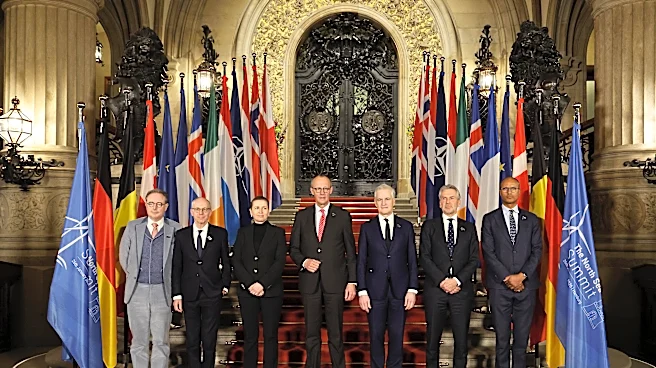
The report suggests several measures to mitigate these challenges. To address the erosion of the nuclear taboo and the risks associated with AI, there's a call for greater transparency and accountability in nuclear decision-making. This includes parliamentary briefings on changes in nuclear doctrine, disclosure of AI systems informing nuclear decisions, and a more formal role for civil society in nuclear policymaking. For Europe, the immediate next step involves strengthening its conventional and nuclear deterrents, potentially through an expansion of the 2025 Northwood Declaration and a phased spending plan to grow its defense industry. In terms of disarmament, expanding NWFZs and developing robust verification mechanisms, including material accountancy, environmental sampling, and short-notice inspections, are crucial. Addressing governance gaps in cybersecurity for nuclear facilities, aligned with IAEA safeguards, is also highlighted as an urgent priority to prevent cyber-enabled threats to nuclear materials and infrastructure.
Beyond the Headlines
The deeper implications of these trends extend to the very nature of international relations and the future of warfare. The increasing reliance on AI in critical military systems, particularly nuclear ones, raises ethical questions about human control over weapons of mass destruction and the potential for autonomous decision-making in existential scenarios. The erosion of the nuclear taboo reflects a broader shift in geopolitical power dynamics and a more confrontational international environment, where the perceived utility of nuclear weapons might be re-evaluated by states. This could lead to a new arms race, further proliferation, and a more unstable world order. The emphasis on European self-reliance in defense also signals a potential long-term rebalancing of global security responsibilities, with implications for U.S. foreign policy and defense spending. Ultimately, these developments necessitate a fundamental rethinking of nuclear deterrence, arms control, and international security frameworks to prevent catastrophic outcomes.