

What's Happening?
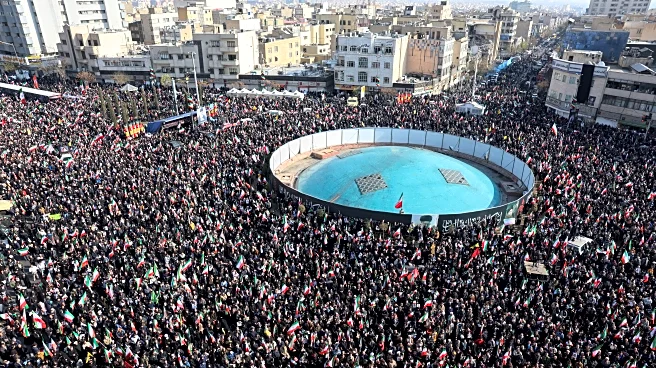
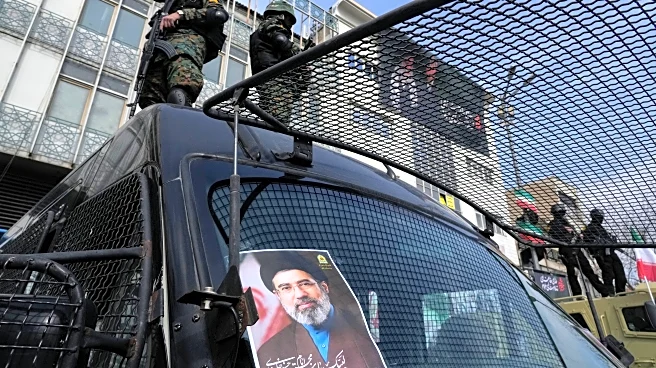
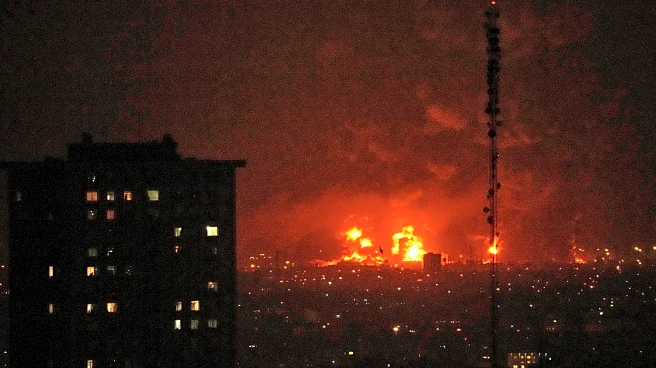
The ongoing conflict in Iran has created an energy conundrum for President Trump, as oil prices surge due to the U.S.-Israeli offensive. The appointment of Mojtaba Khamenei as Iran's new supreme leader has not eased tensions, with Iran retaliating against
U.S. and Israeli targets. The conflict has disrupted oil shipments through the Strait of Hormuz, a critical chokepoint for global oil supply, leading to a spike in oil prices. President Trump has acknowledged the risk of rising fuel costs but remains optimistic about a quick resolution.
Why It's Important?
The escalation of the Iran conflict and the resulting rise in oil prices have significant implications for the U.S. economy and global energy markets. The disruption of oil shipments through the Strait of Hormuz could lead to prolonged high fuel prices, affecting consumers and industries reliant on oil. This situation poses a political challenge for President Trump, as energy costs could become a major liability ahead of the upcoming election cycle. The conflict also highlights the interconnectedness of global energy markets and the potential for geopolitical events to impact domestic economies.
What's Next?
As the conflict continues, the U.S. may need to explore alternative energy sources and strategies to mitigate the impact of rising oil prices. Diplomatic efforts may focus on de-escalating tensions and ensuring the security of oil shipments through the Strait of Hormuz. The international community will be closely monitoring the situation, as prolonged disruptions could have far-reaching consequences for global energy markets. President Trump may also face pressure to address domestic energy policies and explore options for increasing energy independence.