



What's Happening?
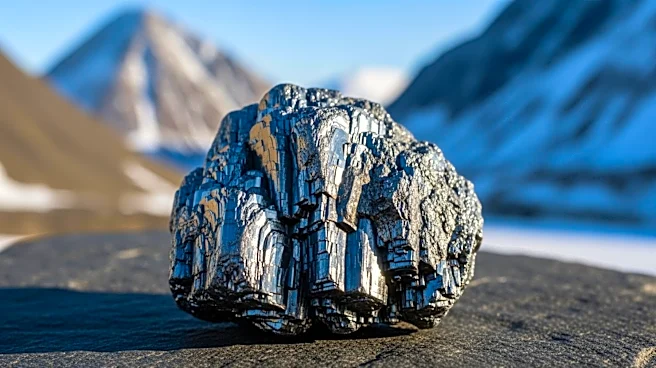
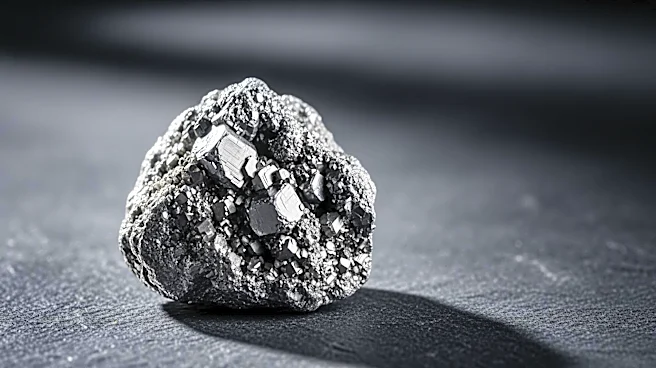
Australia's first vertically integrated graphite-to-anode demonstration facility has commenced operations in Townsville, Queensland. The facility, operated by Graphinex, processes graphite from the Esmeralda project to produce battery-grade material for
international markets. This development is part of a broader expansion in global graphite supply, with projections indicating a 25.1% increase in natural graphite production by 2026. The project received significant backing from the Export-Import Bank of the United States (EXIM), which provided a $1.3 billion Letter of Interest, marking the largest single commitment under the US-Australia Critical Minerals Framework. The Queensland Government has designated the project as a Prescribed Project to streamline approvals and support investment, creating over 200 jobs.
Why It's Important?
The establishment of this facility is a significant step in diversifying the global graphite supply chain, which is currently dominated by China. By 2035, China's share of global graphite production is expected to decrease significantly, while Australia's share is projected to increase. This shift is crucial for the battery manufacturing industry, particularly for electric vehicles, which are driving demand for graphite. The U.S. support for this project underscores the strategic importance of securing critical mineral supplies and reducing dependency on a single source. This development not only strengthens the economic ties between the U.S. and Australia but also positions Queensland as a key player in the global supply chain for battery materials.
What's Next?
The Queensland Government is seeking further federal support to enhance infrastructure and processing capabilities. Planned initiatives include upgrades to the Mt Isa rail line, expanded processing capacity in Townsville, pilot programs in Mackay, and increased tungsten production at Mt Carbine. These efforts aim to bolster Queensland's capacity to produce higher-value materials and support the growing demand for battery components. As new producers enter the market, the global graphite supply landscape is expected to become more competitive, potentially leading to innovations in processing and production techniques.
Beyond the Headlines
The development of the graphite-to-anode facility highlights the growing importance of critical minerals in the transition to renewable energy and electric vehicles. It also raises questions about the environmental and social impacts of increased mining activities. As demand for battery materials rises, there will be a need for sustainable mining practices and responsible sourcing to minimize ecological damage and ensure community benefits. The collaboration between the U.S. and Australia in this sector could serve as a model for international partnerships aimed at securing critical mineral supplies while promoting sustainable development.