








What's Happening?
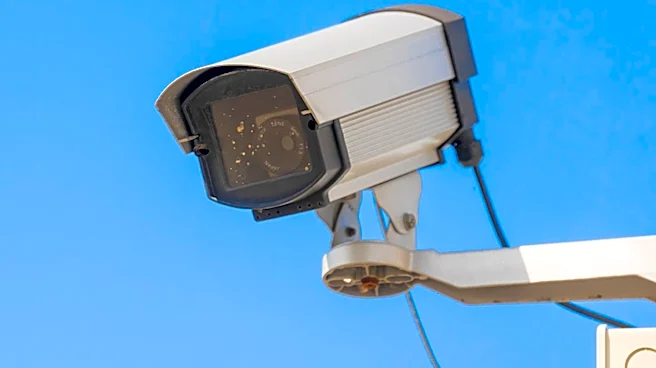
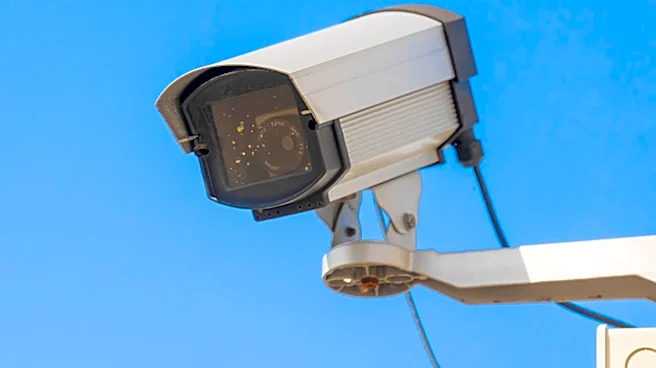
Two additional Massachusetts communities, Grafton and East Bridgewater, have announced the termination of their contracts with Flock Safety, a provider of license plate reader systems. This decision follows similar actions by over a dozen other municipalities
in Massachusetts in recent months, all citing community backlash and privacy concerns. East Bridgewater Police Chief Michael Jenkins stated that the decision was driven by a need to maintain 'community trust' and that the ongoing concerns outweighed the anticipated benefits of the technology. Grafton Police Chief Neil A. Minardi also confirmed the deactivation of cameras due to 'growing concerns about the use of this technology.' The East Bridgewater police department had only brought one of its planned four cameras online before pausing the project for public review, while Grafton had installed 12 cameras. Both departments emphasized that their decisions were a direct response to local and national concerns regarding privacy, data access, oversight, safeguards, and the potential for misuse of the surveillance technology. This trend highlights a broader reevaluation of automated license plate readers in the state.
Why It's Important?
The widespread termination of contracts for Flock surveillance cameras in Massachusetts signifies a growing public and governmental concern over privacy rights and the potential for misuse of advanced surveillance technology. This trend could set a precedent for other U.S. states and municipalities considering or currently using similar systems, prompting them to re-evaluate their own policies and contracts. For law enforcement, while these cameras are seen as useful tools for crime prevention and investigation, the loss of public trust and the ethical implications of data collection are proving to be significant drawbacks. The decisions by Grafton and East Bridgewater, along with other towns, underscore a societal shift towards prioritizing individual privacy over pervasive surveillance, even when presented with potential public safety benefits. This movement could lead to stricter regulations on surveillance technology and increased public oversight, impacting the business models of companies like Flock Safety and influencing future technological adoption by police departments nationwide.
What's Next?
Following the termination of these contracts, Grafton and East Bridgewater police departments will work with Flock Safety to remove the installed cameras. This move is likely to encourage further scrutiny of surveillance technologies in other Massachusetts communities and potentially across the nation. New Bedford police, who also paused the use of their Flock cameras after an officer was accused of misusing the system, are conducting a 'thorough review' of the technology to ensure its secure use going forward. This suggests that while some communities are outright terminating contracts, others may seek to implement stricter governance and oversight mechanisms. The ongoing public discourse and community backlash are expected to continue influencing policy decisions regarding surveillance, potentially leading to new legislation or guidelines at the state level to regulate the deployment and use of such technologies. Law enforcement agencies will need to explore alternative methods or more transparently governed surveillance solutions to maintain public trust.
Beyond the Headlines
The controversy surrounding Flock cameras extends beyond immediate privacy concerns, touching upon fundamental questions about the balance between public safety and civil liberties in an increasingly digital world. The incidents in Stow and New Bedford, where officers allegedly misused the camera system to access personal information, highlight the critical ethical and legal challenges associated with powerful surveillance tools. These cases underscore the potential for abuse of authority and the need for robust accountability mechanisms. The decisions by these Massachusetts towns reflect a broader societal debate about the 'slippery slope' argument, where seemingly innocuous technologies can evolve into tools for pervasive monitoring without adequate safeguards. This situation could catalyze a re-evaluation of data governance policies, not just for law enforcement, but for any entity collecting vast amounts of personal data, pushing for greater transparency, independent oversight, and stronger legal protections for citizens' digital rights. The long-term implications could reshape how communities perceive and interact with technology in public spaces.