

What's Happening?
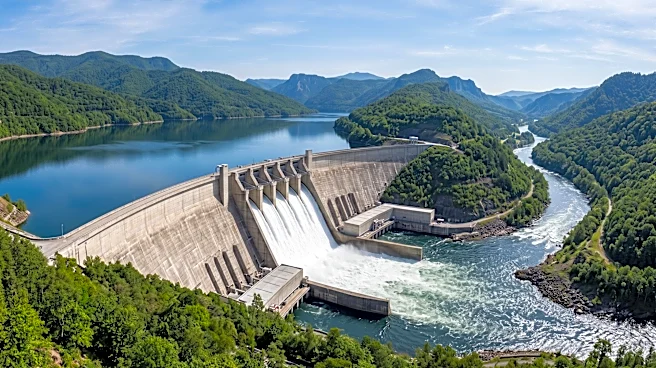
South Sudan's Minister of Energy and Dams, Agok Makur Kur, and Russian Ambassador Aleksandr Kosmodemyansky recently met to discuss reactivating a stalled 2024 energy deal with Russian hydropower company RusHydro. The meeting focused on expanding bilateral
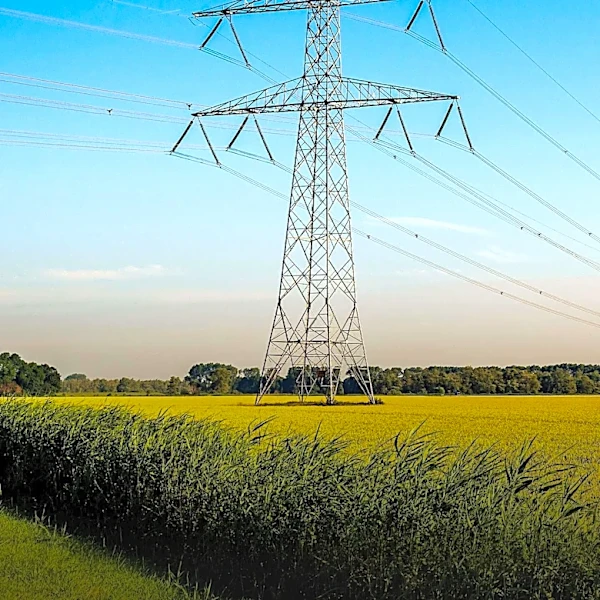
cooperation and leveraging Russian expertise and technology in hydropower, oil and gas, and renewable energy sectors. According to the Ministry of Energy and Dams, this cooperation aims to address South Sudan's growing electricity challenges and meet its increasing energy demand. Both sides emphasized the importance of reviving joint projects and translating existing agreements into concrete actions, while also strengthening broader relations between Juba and Moscow.
Why It's Important?
This discussion between South Sudan and Russia regarding energy cooperation is significant for several reasons. For South Sudan, it represents a potential pathway to address its critical electricity shortages and foster economic development through enhanced energy infrastructure. For the U.S., this development is important to monitor as it signifies Russia's expanding influence in Africa, particularly in a region where the U.S. has strategic interests in promoting stability and democratic governance. Increased Russian engagement in South Sudan's energy sector could shift geopolitical alignments and potentially impact U.S. foreign policy objectives in the region. It also raises questions about the types of partnerships South Sudan is pursuing and their implications for transparency, environmental standards, and long-term economic sustainability. The revival of a stalled deal suggests a renewed push for these collaborations.
What's Next?
The immediate next steps will likely involve further detailed discussions and negotiations to formalize the reactivation of the 2024 energy deal with RusHydro and explore new avenues for cooperation. Both South Sudan and Russia have expressed a desire to translate existing agreements into concrete actions, indicating a commitment to moving forward with these projects. This could lead to the signing of new contracts, the commencement of feasibility studies, and the deployment of Russian technology and expertise in South Sudan's energy sector. The strengthening of broader relations between Juba and Moscow suggests a potential for increased collaboration across various sectors beyond energy. International observers, including the U.S., will be closely watching these developments for their geopolitical and economic implications.
Beyond the Headlines
Beyond the immediate energy benefits, this renewed cooperation between South Sudan and Russia carries deeper geopolitical implications. It signals South Sudan's diversification of international partners, potentially reducing its reliance on traditional Western allies and opening new avenues for development and influence. Ethically, the nature of these partnerships, particularly with a country like Russia, will be scrutinized for adherence to international norms, human rights, and environmental standards. The long-term shift could see Russia playing a more prominent role in the economic and strategic landscape of East Africa, challenging existing power balances. This also highlights the ongoing competition among global powers for resources and influence in Africa, where energy security and infrastructure development are key leverage points. The potential for increased Russian presence could also impact regional security dynamics.