





What's Happening?
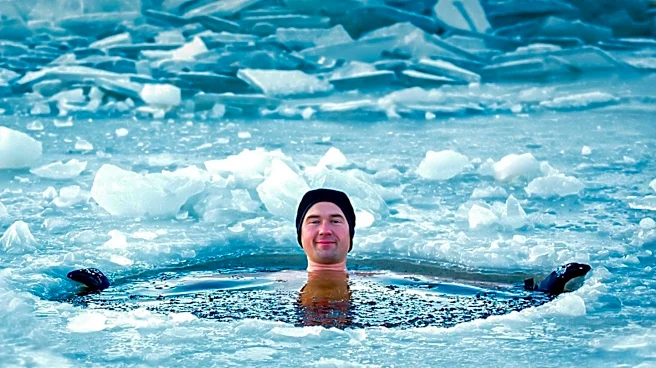
Cold therapy, including cold water immersion and cryotherapy, is recognized for its ability to temporarily alleviate pain and stimulate the nervous system. This occurs as the body responds to rapid temperature shifts, redirecting blood flow towards vital
organs. Studies suggest that cold exposure can trigger a significant increase in norepinephrine, ranging from 200-300%, which contributes to an enhanced sense of alertness. However, using cold therapy immediately after resistance training may negatively impact the body's adaptive response to exercise. A 2023 review indicated that cold water immersion generally outperformed contrast water therapy for most recovery outcomes, while a 2024 review found cryotherapy to be most effective for soreness. Despite these findings, current evidence does not conclusively support claims that cold water therapy improves mood or reduces stress. Furthermore, cold exposure within two hours of bedtime might disrupt sleep patterns.
Why It's Important?
The findings on cold therapy's effects are important for individuals seeking recovery methods, particularly athletes and those experiencing localized pain. The temporary pain relief and nervous system stimulation offer a non-pharmacological option for managing discomfort and enhancing alertness. However, the potential for reduced training adaptation after resistance exercise highlights a critical consideration for athletes aiming for strength and muscle gains. The lack of strong evidence for mood and stress improvement, coupled with potential sleep disruption, is crucial for consumers considering cold therapy as a general wellness routine rather than a targeted recovery tool. This distinction helps manage expectations and guides individuals toward more evidence-based practices for mental well-being and sleep hygiene. The varying effectiveness across different cold therapy modalities (cold water, contrast water, cryotherapy) also underscores the need for personalized approaches based on specific recovery goals.
What's Next?
Further research is needed to establish the long-term benefits and optimal application protocols for cold therapy, especially concerning its impact on mood, stress, and sleep. The current conflicting results across various reviews, which often pool different sports, temperatures, timing, and outcomes, suggest a need for more standardized and controlled studies. Researchers will likely focus on understanding the precise mechanisms behind the observed physiological responses and identifying specific populations who might benefit most from particular cold therapy modalities. Additionally, the role of placebo in cold therapy outcomes remains an open question, as participants cannot be blinded to the treatment. Future studies may explore methods to account for or mitigate the placebo effect to provide clearer insights into the therapy's intrinsic benefits. Individuals considering cold therapy are advised to consult healthcare professionals, especially if they have underlying medical conditions.
Beyond the Headlines
The widespread interest in cold therapy reflects a broader societal trend towards exploring alternative and complementary wellness practices. While the immediate physiological responses like pain reduction and increased alertness are evident, the deeper implications touch upon the intersection of physical recovery, mental well-being, and the placebo effect. The challenge in blinding participants in cold therapy studies highlights a fundamental limitation in researching experiential treatments, where subjective perception plays a significant role. This raises questions about how to rigorously evaluate interventions where the 'experience' itself is part of the therapeutic process. Furthermore, the commercialization of cold therapy, with various studios offering different modalities, necessitates a critical understanding of scientific evidence versus marketing claims. Consumers are increasingly seeking natural and holistic approaches, making it imperative for scientific research to provide clear, unbiased guidance on the true efficacy and limitations of such practices.