



What's Happening?
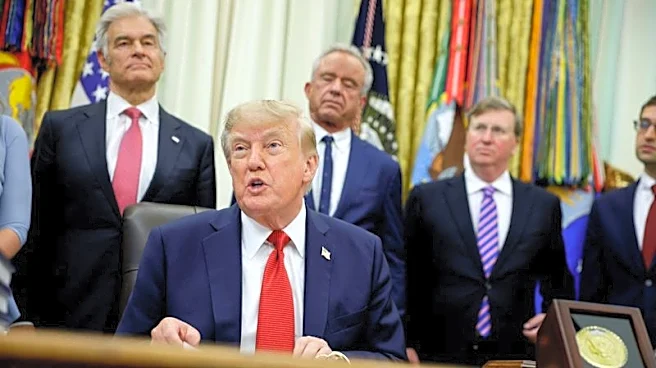
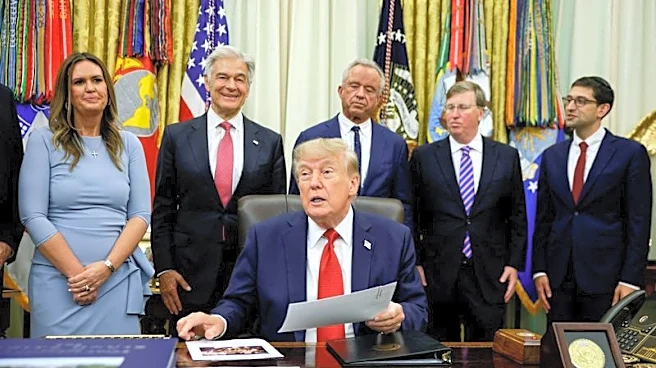
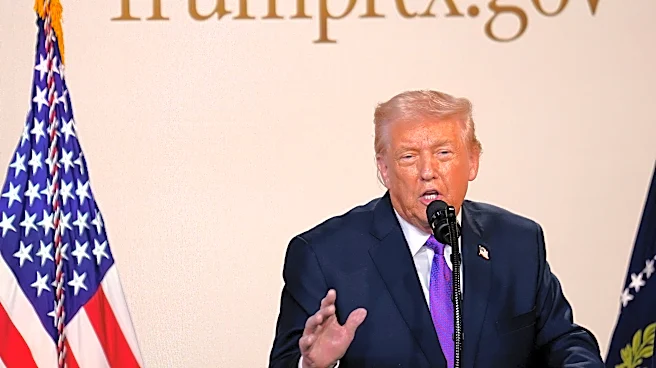
President Trump has proposed a plan to administer routine immunizations in five smaller doses over a six-month period. This approach deviates significantly from established medical guidelines for childhood vaccinations. The American Academy of Pediatrics
provides a detailed schedule for recommended immunizations for children up to 18 years old, which includes vaccines for diseases such as COVID-19, measles, and human papillomavirus. These schedules are designed to build immunity effectively and efficiently. Vaccine experts have voiced strong criticism against President Trump's proposal, deeming it ineffective and potentially harmful. The current standard immunization practices have been credited with saving at least 154 million lives globally over the past 50 years, with the measles vaccination alone significantly reducing infant mortality. The concern among experts is that altering the proven schedule could compromise the protective benefits of vaccines and potentially lead to increased susceptibility to preventable diseases.
Why It's Important?
This proposal is important because it challenges established public health protocols and could have significant implications for vaccine efficacy and public trust in immunization programs. The current vaccination schedules are based on extensive scientific research and clinical trials, designed to optimize immune response and provide long-lasting protection. Deviating from these schedules, as proposed by President Trump, could lead to suboptimal immune responses, leaving individuals vulnerable to diseases that are otherwise preventable. Furthermore, such a proposal, especially from a prominent political figure, can exacerbate vaccine hesitancy, which has already been on the rise due to misinformation. Increased vaccine hesitancy could result in lower vaccination rates, potentially leading to outbreaks of diseases like measles, which has seen a resurgence in some areas where vaccination rates have declined. This could strain healthcare systems and pose a significant public health risk, particularly to vulnerable populations who cannot be vaccinated.
What's Next?
The immediate next steps will likely involve continued debate and discussion among public health officials, medical professionals, and policymakers regarding the scientific validity and potential consequences of President Trump's proposed immunization plan. Vaccine experts and medical organizations are expected to reiterate the importance of adhering to evidence-based vaccination schedules and to counter any misinformation that could arise from such proposals. Public health campaigns may intensify efforts to educate the public on the benefits and safety of current immunization practices. It is also possible that this proposal could influence public discourse around vaccine policy, potentially leading to legislative discussions or changes in how vaccine information is disseminated. The medical community will likely continue to advocate for policies grounded in scientific consensus to maintain high vaccination rates and protect community health.
Beyond the Headlines
Beyond the immediate public health concerns, President Trump's proposal touches upon deeper issues of scientific authority, public trust, and the politicization of health policy. In an era where misinformation can spread rapidly, particularly through social media, challenges to established scientific consensus by political figures can erode public confidence in medical institutions and expert advice. This situation highlights the ongoing tension between individual liberties and collective public health responsibilities, especially concerning mandatory or recommended health interventions. The long-term implications could include a more polarized public discourse on health issues, making it harder to implement effective public health strategies. It also underscores the ethical responsibility of public figures to ensure that their statements on health matters are informed by scientific evidence, given the potential for widespread impact on public behavior and health outcomes. The debate could also prompt a re-evaluation of how scientific information is communicated to the public and how to effectively combat health-related misinformation.