




What's Happening?
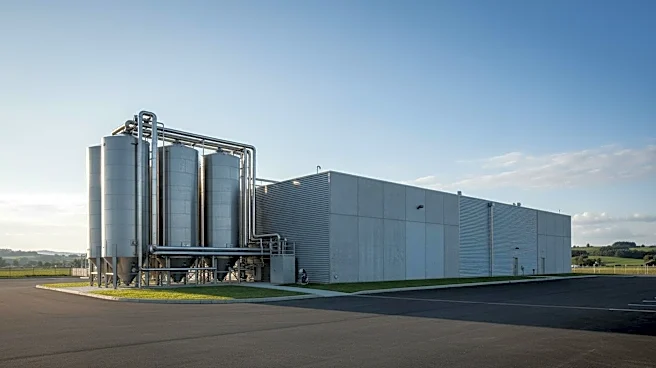
Vermont officials are actively seeking solutions for the state's forest industry following the announcement that Finch Paper, a major wood plant in Glens Falls, New York, will no longer accept woodpulp from Vermont. This closure has created a significant
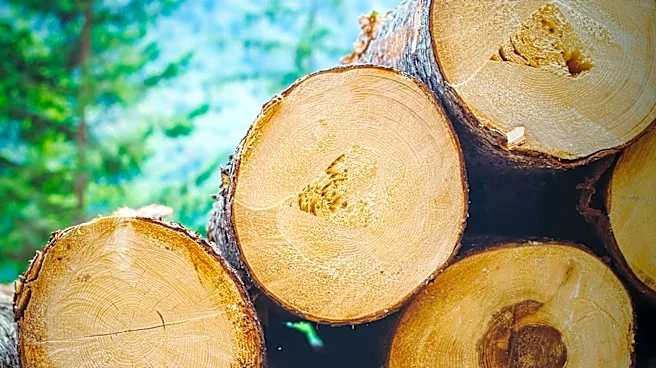
void in the market for local loggers, leaving approximately 2,000 weekly tons of low-grade pulpwood without a destination. The lack of a market for this material is causing severe financial distress for loggers, with many forced to sell equipment or lay off workers. The forest industry is foundational to Vermont's Northeast Kingdom economy, supporting timber harvesting and recreational trails. The situation threatens the viability of the state's Current Use program, which offers tax breaks to landowners who manage their land for timber or agricultural purposes, as foresters may find it unsustainable to continue operations.
Why It's Important?
The closure of the Finch Paper mill poses a critical threat to Vermont's rural economy and its long-standing commitment to working lands. The inability to sell low-grade pulpwood impacts the entire forestry supply chain, from landowners to loggers and mills. If loggers cannot remain viable, landowners enrolled in the Current Use program may be compelled to sell or develop their land, leading to negative consequences for wildlife habitat, the state's 'Green Mountain State' identity, and rural enterprises. This situation highlights the fragility of regional economies dependent on specific industrial markets and the cascading effects of supply chain disruptions. For the U.S., it underscores the challenges faced by traditional industries in adapting to market changes and the importance of diversified markets and local processing capabilities to ensure economic stability and environmental conservation.
What's Next?
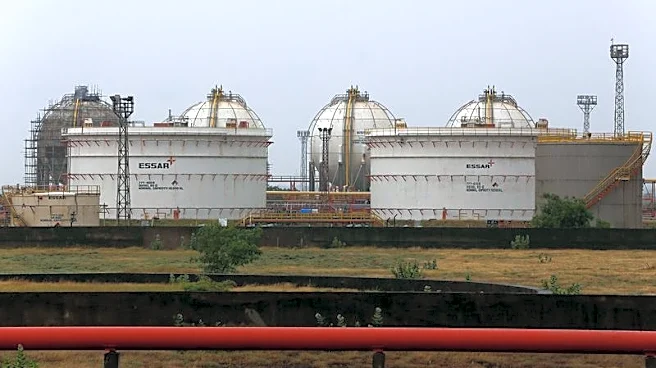
The Scott administration has filed an emergency appeal with state energy regulators, requesting that the McNeil and Ryegate biomass generating stations increase their intake of wood for fuel. This immediate action aims to provide an alternative market for the surplus pulpwood. Concurrently, officials are working to identify other long-term markets for the low-grade wood to prevent further damage to the industry. Abby Long of the Northeast Kingdom Collaborative sees this challenge as an opportunity for innovation, suggesting the use of pulpwood to heat local schools and businesses, thereby creating a more localized and resilient market. The focus is on finding creative, diverse, and appropriately scaled solutions to sustain the forest industry and ensure the continued viability of Vermont's working lands.
Beyond the Headlines
The crisis in Vermont's forest industry reveals deeper issues concerning the economic and ecological interconnectedness of rural landscapes. The potential collapse of the pulpwood market not only affects livelihoods but also threatens the very fabric of land management and conservation in the state. The Current Use program, a cornerstone of Vermont's land ethic, relies on the economic viability of forestry to incentivize landowners to keep their forests forested. If this economic incentive erodes, it could lead to widespread land conversion, fragmentation of wildlife habitats, and a loss of the rural character that defines much of Vermont. This situation underscores the complex interplay between economic policy, environmental conservation, and community well-being, highlighting the need for integrated solutions that support both industry and ecological integrity. The push for localized biomass energy solutions also points towards a broader trend of seeking regional self-sufficiency and circular economies in response to global market volatilities.