








What's Happening?
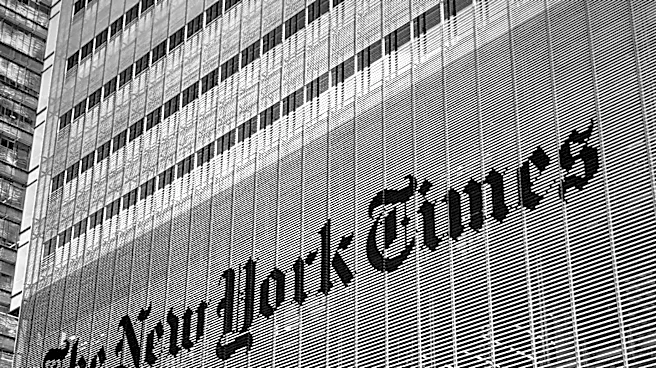
A recent multimedia feature by the New York Times, titled 'How a Nation of Immigrants Traces Its Roots,' has drawn criticism for omitting Jewish identity from its map of American ethnic and immigrant origins. The map, which highlights 200 unique identities
across the United States, includes groups such as Scandinavians, African-Americans, and Mexican-Americans, but does not specifically identify Jews. This omission has led to complaints from readers who argue that Jewish immigrants from Eastern Europe and other regions are not adequately represented. The New York Times explained that the map is based on U.S. Census Bureau data, which does not include religious affiliations due to legal restrictions. The absence of Jewish identity on the map reflects broader challenges in categorizing Jewish identity, which encompasses both religious and national elements.
Why It's Important?
The exclusion of Jewish identity from the New York Times map highlights ongoing debates about how Jewish identity is understood and represented in American society. This issue is significant as it touches on the broader themes of identity, belonging, and representation within the U.S. Jewish community. The map's omission underscores the complexities of Jewish identity, which is not solely defined by nationality or religion but is a blend of both. This has implications for how Jewish contributions to American culture and society are recognized and valued. The debate also reflects historical sensitivities around Jewish identity, particularly in the context of antisemitism and the Holocaust, where official counts of religious groups were viewed with suspicion.
What's Next?
The New York Times may face continued scrutiny and calls for more inclusive representation in its features. This situation could prompt discussions about how media and data collection agencies represent minority groups, particularly those with complex identities like the Jewish community. There may be increased advocacy for using additional data sources that capture religious and cultural identities more comprehensively. Additionally, this incident could lead to broader conversations about the role of media in shaping public perceptions of ethnic and religious diversity in the United States.
Beyond the Headlines
The omission of Jewish identity from the map raises deeper questions about the nature of identity in multicultural societies. It highlights the tension between assimilation and the preservation of distinct cultural identities. For the Jewish community, this incident may reinforce the importance of maintaining cultural heritage while navigating the challenges of integration into broader American society. It also points to the need for more nuanced approaches to understanding and representing diverse identities in media and public discourse.