








What's Happening?
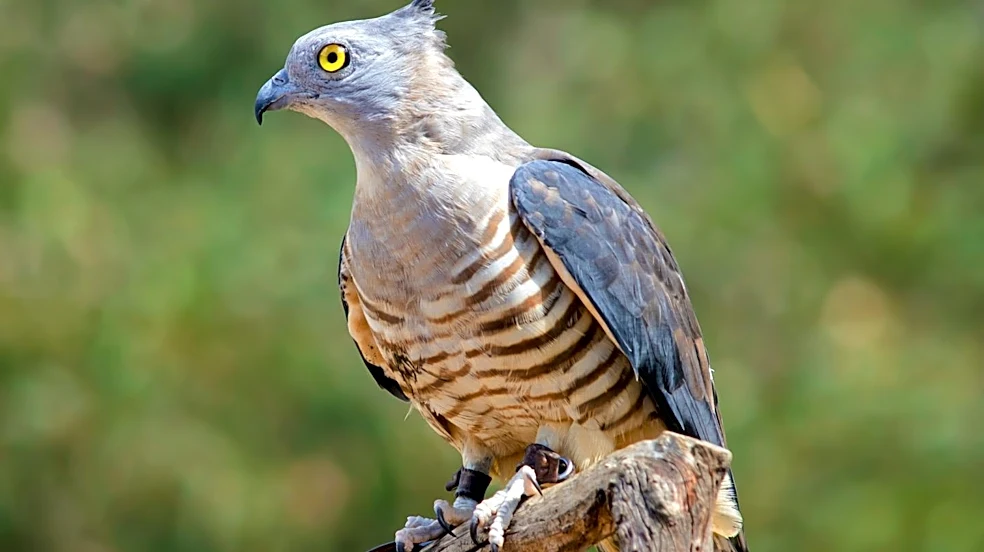
Northern goshawks, large and secretive raptors, are a species of special concern in Minnesota, despite not being considered endangered or threatened nationally. These birds inhabit mixed deciduous-coniferous forests across North America, including Minnesota, and are capable
of capturing large prey. Wildlife biologists in Minnesota are actively working to preserve critical habitats for these hawks and conduct surveys and research to understand their abundance, nesting territories, nesting success, and habitat preferences. Unlike most raptors, northern goshawks do not migrate in the fall and remain in Minnesota throughout the winter. Research has shown that their breeding territories are extensive, with an average size estimated between 12,000 and 20,000 acres for monitored pairs, and they construct multiple alternative nests near their active ones. Distinctive markings, such as a dark cap, a bold white 'eyebrow,' and a broad black eye-band, differentiate adult goshawks from other accipiters.
Why It's Important?
The focus on northern goshawks in Minnesota highlights the ongoing efforts in wildlife conservation and habitat preservation for species that, while not critically endangered, require specific attention due to their ecological role and sensitivity to environmental changes. The research and monitoring efforts by wildlife biologists are crucial for maintaining biodiversity and ensuring the health of forest ecosystems. Understanding the habitat needs and behaviors of these raptors, such as their non-migratory nature and large breeding territories, informs land management practices and conservation strategies. The classification of northern goshawks as a species of special concern underscores the importance of proactive conservation to prevent future population declines and protect the delicate balance of natural resources in Minnesota and potentially other regions where they reside.
What's Next?
Wildlife biologists will continue to conduct nest surveys and GPS radio telemetry studies to monitor northern goshawk populations and track their movements within Minnesota's northern range. These ongoing research efforts aim to gather more data on their abundance, nesting success, and habitat use, which will further inform conservation strategies. The preservation of critical habitats will remain a priority, likely involving collaboration with land managers and local communities. Increased public awareness and appreciation for these raptors are also anticipated, potentially leading to more sightings and greater support for conservation initiatives. The insights gained from these studies could influence broader conservation policies for raptors and forest ecosystems across the U.S., particularly in states with similar habitats.
Beyond the Headlines
The conservation efforts for northern goshawks in Minnesota reflect a broader shift in wildlife management towards proactive protection of species that are not yet endangered but face potential threats. This approach acknowledges the interconnectedness of species within an ecosystem and the long-term implications of habitat loss and environmental changes. The secretive nature of these raptors and their specific habitat requirements present unique challenges for researchers, emphasizing the need for advanced tracking technologies and dedicated field studies. The fact that they do not migrate in winter also highlights their resilience and adaptation to colder climates, making their survival a key indicator of the health of northern forests. This focus on a 'species of special concern' underscores the ethical responsibility to protect all native wildlife, not just those on the brink of extinction, ensuring ecological stability and biodiversity for future generations.