




What's Happening?
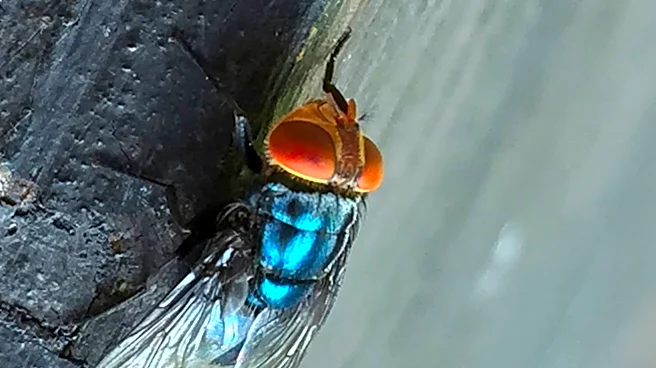
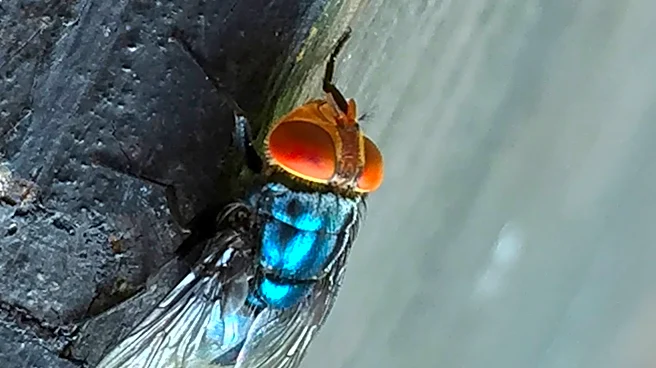
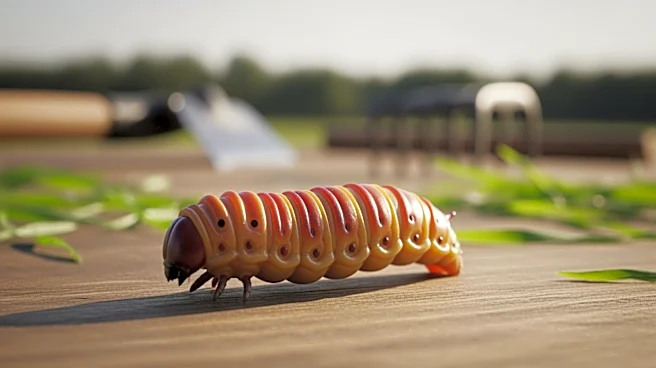
The U.S. Department of Agriculture (USDA) has confirmed the detection of New World screwworm in a calf in Zavala County, Texas, marking the first U.S. case in decades. This parasite, known for infesting and consuming the living tissue of warm-blooded
animals, poses a significant threat to livestock. In response, the USDA has established a unified incident command with the Texas Animal Health Commission, implementing a 20-kilometer quarantine zone around the detection site. Measures include movement restrictions, enhanced surveillance, and the release of sterile screwworm flies to control the population. The USDA emphasizes that the U.S. food supply remains safe, as the parasite does not infest meat or other food products.
Why It's Important?
The detection of New World screwworm in Texas is significant due to its potential impact on the livestock industry. Historically, this pest has caused substantial economic losses through livestock deaths and veterinary costs. The USDA's swift response aims to prevent the spread of the parasite, which could otherwise threaten the agricultural sector. The situation underscores the importance of biosecurity measures and the need for ongoing surveillance to protect the U.S. livestock industry. The USDA's actions are crucial in maintaining consumer confidence in the safety of the food supply.
What's Next?
The USDA plans to continue releasing sterile flies and increase trapping efforts near the border to prevent further spread. They will also expand wildlife monitoring and conduct outreach to livestock owners. West Virginia agriculture officials are monitoring the situation closely, ready to implement emergency response plans if necessary. The USDA's National Veterinary Stockpile is on standby to provide additional resources if the outbreak expands. Continued vigilance and early detection are essential to controlling the spread of this destructive pest.