




What's Happening?
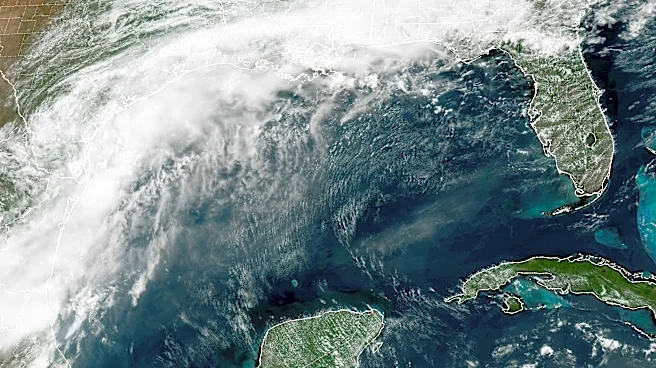
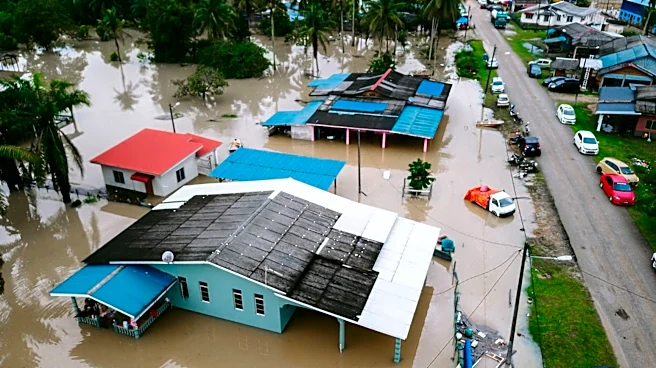
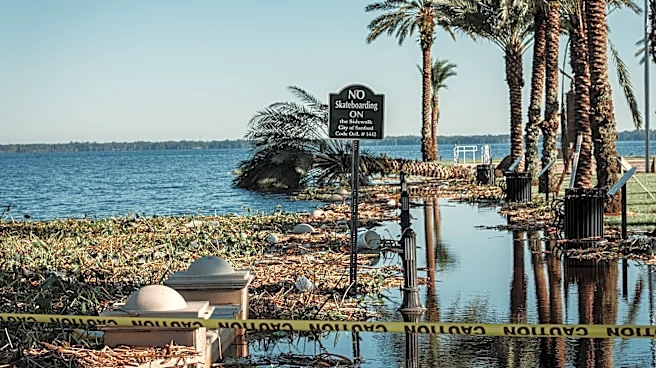
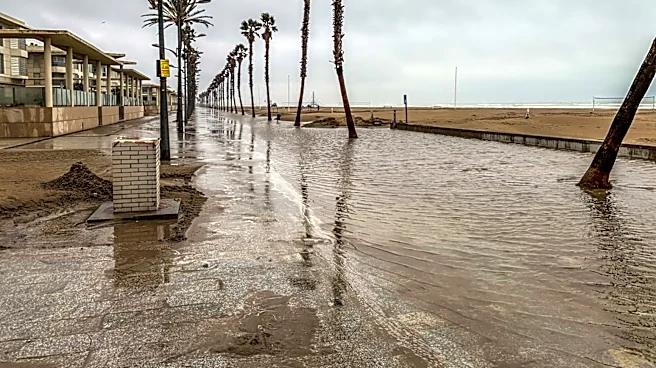
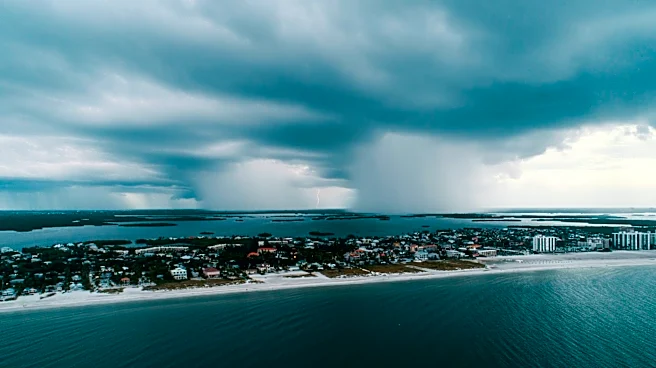
The remnants of Tropical Storm Arthur have brought heavy rain to the southeastern United States, particularly affecting the Gulf Coast. The storm, which was the first named storm of the Atlantic hurricane season, has been downgraded to a low-pressure
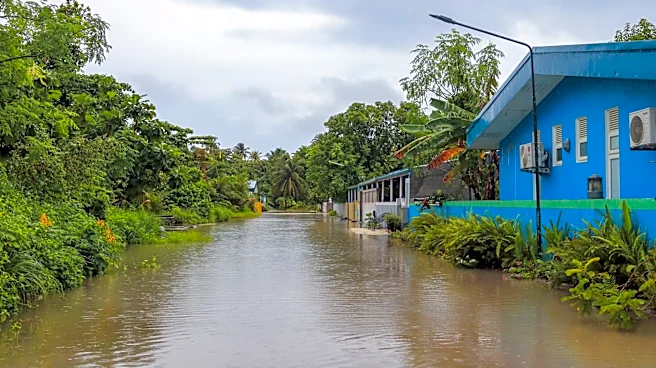
area but continues to cause significant rainfall. The National Hurricane Center reported that the storm is moving inland, affecting areas in Louisiana, Mississippi, Alabama, Georgia, and the Florida Panhandle. Rainfall rates have reached up to 3 inches per hour in some locations, leading to flash flood warnings. The storm has also caused power outages, with tens of thousands of homes and businesses affected. In the Midwest, the storm system previously caused damage from tornadoes and strong winds, impacting states like Illinois, Indiana, and Kentucky.
Why It's Important?
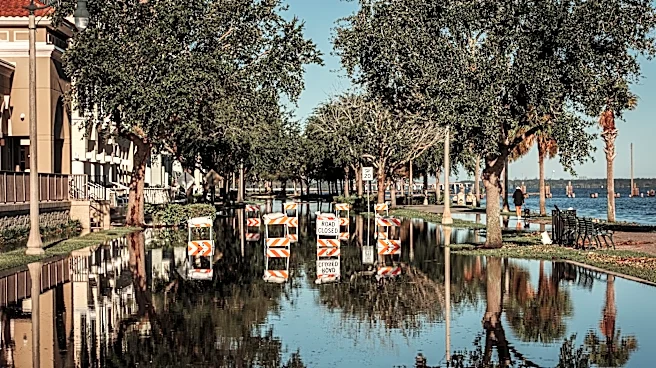
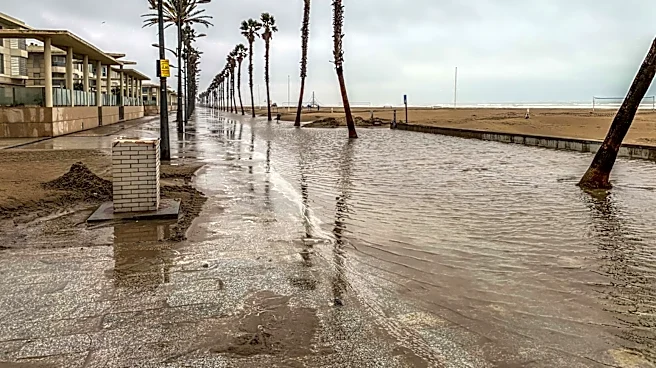
The heavy rainfall and flooding from Tropical Storm Arthur pose significant risks to the affected regions, including potential life-threatening flash floods. The storm's impact on infrastructure, such as power outages and road closures, can disrupt daily life and economic activities. The Gulf Coast, already vulnerable to severe weather, faces increased challenges in managing floodwaters and ensuring public safety. The storm also highlights the ongoing threat of climate change, which is believed to increase the intensity and frequency of such weather events. The response to this storm will test the preparedness and resilience of local governments and communities in handling extreme weather conditions.
What's Next?
As the storm continues to move inland, the focus will be on managing the immediate impacts of flooding and power outages. Local authorities are likely to continue issuing warnings and advisories to ensure public safety. Recovery efforts will involve restoring power, clearing debris, and assessing damage to infrastructure. The storm's progression will be closely monitored to anticipate further impacts in other regions. Additionally, the event may prompt discussions on improving infrastructure resilience and emergency response strategies in the face of increasingly severe weather patterns.