





What's Happening?
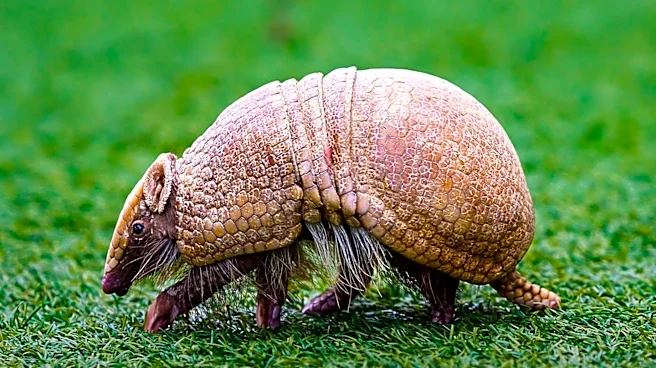
Florida has experienced a rise in leprosy cases, with 36 confirmed cases in 2025 and 17 reported by mid-2026. The increase is particularly noted in Central Florida, with Brevard County being a hotspot. The nine-banded armadillo, known to carry Mycobacterium
leprae, the bacterium causing leprosy, is suspected to be a source of zoonotic transmission. A 2011 study found identical strains of the bacterium in armadillos and patients in the southern U.S., supporting this theory. Despite the rise, leprosy remains rare, and most people are naturally resistant. Public health officials emphasize the importance of avoiding contact with armadillos and improving clinician awareness to prevent misdiagnosis.
Why It's Important?
The surge in leprosy cases in Florida highlights the need for increased public health awareness and education about zoonotic diseases. Understanding the role of armadillos in transmitting leprosy is crucial for preventing further cases. This situation underscores the importance of wildlife management and public education in areas where human-animal interactions are common. The rise in cases could lead to heightened public concern and necessitate additional resources for healthcare providers to diagnose and treat leprosy effectively. It also raises questions about the potential for other zoonotic diseases to emerge in similar contexts.
What's Next?
Public health officials may increase efforts to educate the public about the risks associated with armadillos and leprosy. There could be initiatives to monitor and control armadillo populations in affected areas. Healthcare providers might receive additional training to recognize and treat leprosy promptly, reducing the risk of long-term complications. Further research could be conducted to better understand the transmission dynamics and develop strategies to prevent future outbreaks. Collaboration between wildlife experts and public health officials will be essential in managing this public health challenge.