








What's Happening?
Melinda Lickteig, a paraprofessional from Lenexa, Kansas, is sharing her experience of surviving a stroke that occurred over five years ago while she was at work at Sunflower Elementary School. Lickteig recounted falling to the floor after realizing something
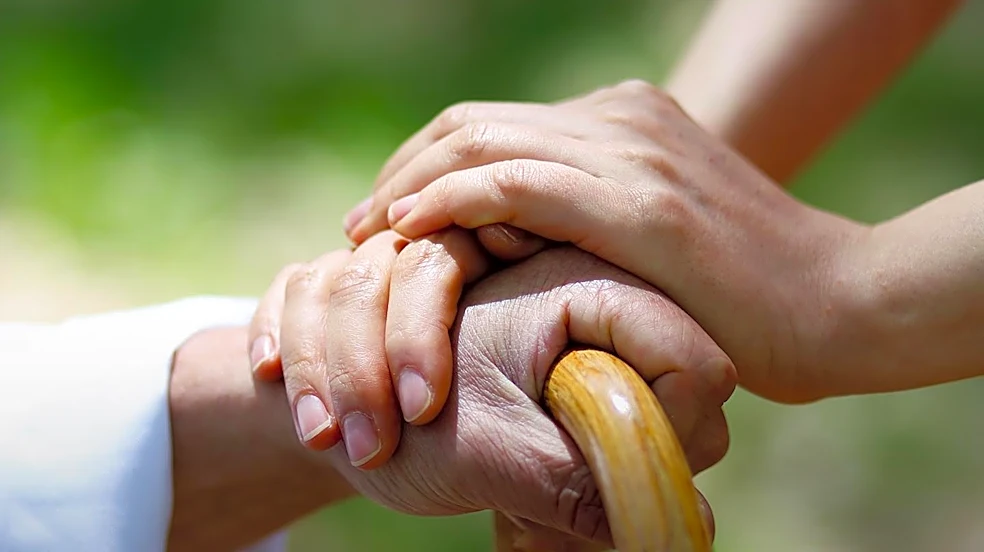
was wrong, and a coworker promptly called 911. She was subsequently diagnosed with a stroke and spent over a month recovering at Menorah Medical Center in Overland Park, where she underwent rehabilitation to relearn basic skills like walking. Lickteig emphasizes the importance of a strong support system and medical assistance, expressing concern for others who may not have similar resources. Her motivation for sharing her story is to advocate for fellow stroke victims and highlight available support systems.
Why It's Important?
Melinda Lickteig's story underscores the critical importance of immediate recognition and response to stroke symptoms, as well as the long-term commitment required for recovery. Her advocacy highlights the need for accessible support systems and resources for stroke survivors, which can significantly impact their rehabilitation and quality of life. The narrative also brings attention to the role of community and workplace preparedness in emergency situations. For healthcare providers and policymakers, Lickteig's experience serves as a testament to the value of comprehensive post-stroke care, including physical and occupational therapy, and nursing support, which can be crucial for patients regaining independence. Her message encourages individuals to seek help and utilize available resources, potentially reducing the burden of stroke-related disabilities.
What's Next?
Melinda Lickteig plans to continue sharing her story to advocate for stroke victims, encouraging others to seek help and utilize available resources. Her husband, Ken, also emphasizes the importance of contacting support organizations. Menorah Medical Center, where Lickteig recovered, offers various services including physical therapy, occupational therapy, and nursing care at home, even for patients treated elsewhere. Jordan Bauer, the sepsis and stroke coordinator at Menorah, advises individuals to contact their case management team for assistance in setting up necessary services. This ongoing advocacy and the availability of continuing care services suggest a sustained effort to support stroke survivors in their recovery journeys.
Beyond the Headlines
Melinda Lickteig's personal account transcends a mere medical incident, touching upon the broader societal implications of health crises and the human spirit's resilience. Her journey of relearning fundamental motor skills, akin to those of an infant, highlights the profound impact of stroke on an individual's autonomy and the often-overlooked psychological toll of recovery. The story also subtly critiques potential disparities in healthcare access and support, as Lickteig acknowledges her fortune in having a strong support system, implicitly raising questions about those who lack such advantages. Her decision to advocate for others transforms a personal struggle into a public service, fostering a sense of community and shared responsibility in addressing health challenges. This narrative reinforces the idea that recovery is not just a medical process but a holistic one, deeply intertwined with emotional, social, and community support.