





What's Happening?
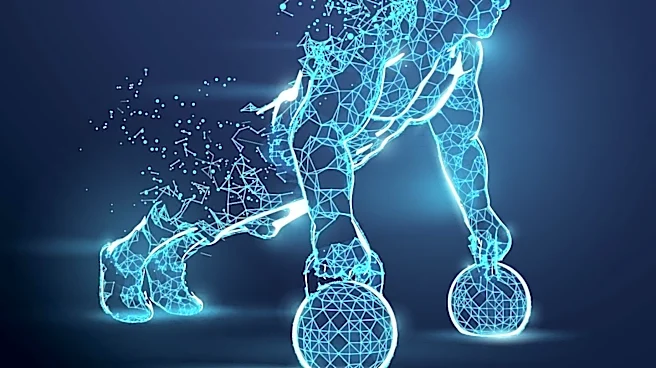
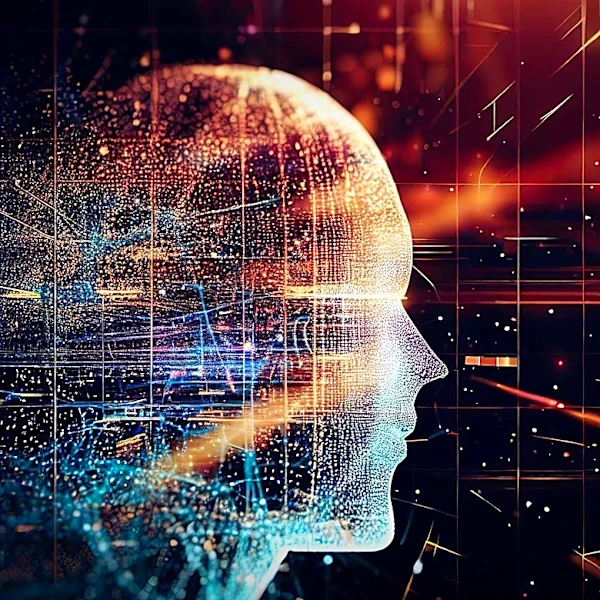
Wearable devices are continuously collecting personal data, such as heart rate, sleep patterns, and activity levels, which is being used to build a 'digital twin'—a virtual model of an individual's body. This digital twin is not a physical scan but a simulation
created from the slow accumulation of how a person lives, designed to predict future physiological responses and patterns. Unlike simple data aggregation, a digital twin connects various data points, understanding the cause-and-effect relationships within an individual's body, such as how poor sleep affects heart rate variability and subsequent performance. This technology allows for simulations, enabling users to test 'what if' scenarios, like the impact of going to bed earlier or skipping a workout. The raw material for these digital twins comes from existing wearable sensors, including those that track heart rate, heart rate variability (HRV), resting heart rate, sleep stages and duration, skin temperature, activity, workouts, SpO2, and breathing rate. Over weeks and months, this data feeds into machine-learning models to establish an individual's unique 'normal,' comparing current data to their past self rather than a generic average.
Why It's Important?
The development of digital twins through wearable technology has significant implications for personal health management and the healthcare industry in the U.S. This technology allows for early detection of subtle physiological 'drift' that might indicate an impending health issue, potentially enabling proactive interventions before problems escalate. For individuals, it offers personalized insights and targeted suggestions, moving beyond generic health advice to recommendations tailored to their unique patterns. This could lead to more effective self-care and improved overall well-being. For healthcare providers, digital twins could provide valuable long-term data trends, such as sustained changes in temperature or SpO2, which are far more informative than anecdotal patient reports. This could revolutionize diagnostic processes and treatment planning, making healthcare more personalized and preventative. However, the reliance on data quality, the limitations of wrist sensors, and the exclusion of non-measurable factors like stress and diet highlight the need for careful interpretation and integration with professional medical advice. The critical aspect of data privacy and security also underscores the need for robust protections for this deeply personal information.
What's Next?
Currently, digital twins are primarily used for recovery and performance coaching, but their ambition extends much further. In the future, this technology could enable personalized medication timing, early detection of chronic diseases, and the simulation of treatment plans on a virtual self before being applied to the real body. While some of these applications are years away, elements are already being integrated into current wearable devices. The continued advancement of sensor technology, machine learning algorithms, and data integration will enhance the accuracy and utility of these digital models. As these capabilities evolve, there will be an increasing need for clear ethical guidelines and regulatory frameworks to address data ownership, privacy, and the responsible use of highly personal health information. The collaboration between tech companies, healthcare providers, and regulatory bodies will be crucial to ensure that digital twins are developed and utilized in a way that maximizes benefits while safeguarding individual rights and well-being.
Beyond the Headlines
The concept of a digital twin raises profound philosophical and ethical questions about the nature of self and identity in an increasingly data-driven world. If a virtual model of our body can predict our future health and behavior, how does this impact our sense of agency and free will? The potential for such detailed personal models to be used by third parties, such as insurance companies or employers, could lead to new forms of surveillance and discrimination. The 'creepiness' factor, as acknowledged by the source, highlights a natural human apprehension about technology that knows us intimately. This technology also challenges the traditional doctor-patient relationship, as individuals may arrive with extensive self-generated data, requiring physicians to adapt to new forms of information and interpretation. Ultimately, the widespread adoption of digital twins could fundamentally alter our relationship with our bodies, health, and personal data, necessitating a societal dialogue on the boundaries of technological intervention in human life.