
What's Happening?
A recent cross-sectional study published in *Scientific Reports* investigated the relationship between telomere length, fitness, lifestyle habits, psychological stress, and chronic disease in middle-aged
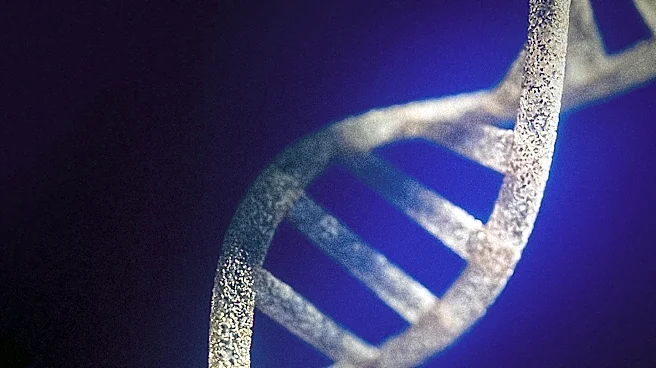
adults. Telomeres, the protective caps on chromosomes, shorten with age and are considered a marker of cellular aging. The study, conducted by researchers from Lithuanian universities, involved 84 adults with an average age of 51. Participants underwent various physical fitness assessments, provided blood samples for telomere length measurement, and completed questionnaires on lifestyle, sleep habits, and perceived stress. The findings indicated that after adjusting for age and sex, no measure of body composition, blood chemistry, muscle strength, aerobic fitness, physical activity, sleep, or sauna use was significantly linked to telomere length. Instead, higher perceived stress and older age were independently associated with shorter median telomere length and a lower 20th-percentile telomere length.
Why It's Important?
This study challenges conventional assumptions about the direct relationship between current fitness levels, lifestyle choices, and cellular aging as indicated by telomere length in midlife. While physical activity is generally believed to offer protection against telomere shortening, these findings suggest that the impact might be less direct or immediate than previously thought, or that other factors play a more dominant role during this life stage. The strong association between perceived stress and shorter telomeres underscores the profound biological impact of psychological factors on cellular health. This highlights the importance of stress management as a critical component of healthy aging, potentially even more so than current physical activity levels for this specific biomarker. For public health initiatives, this could shift focus towards mental well-being and stress reduction strategies as key interventions for promoting cellular longevity.
Beyond the Headlines
The study's findings open a broader discussion about the multifaceted nature of biological aging and the limitations of single biomarkers like telomere length. It suggests that cellular aging, as measured by telomeres, may reflect accumulated stress over a lifetime rather than current physiological function or recent lifestyle choices. This implies a complex interplay between genetic predispositions, long-term environmental exposures, and psychological states that contribute to cellular wear and tear. The lack of a direct link between current fitness and telomere length does not negate the overall health benefits of exercise but rather refines our understanding of how different aspects of health contribute to various aging markers. Future longitudinal studies are needed to track individuals over many years to fully understand the dynamic relationship between lifestyle, stress, and cellular aging, and to determine if these patterns hold true across diverse populations and over longer periods.