
What's Happening?
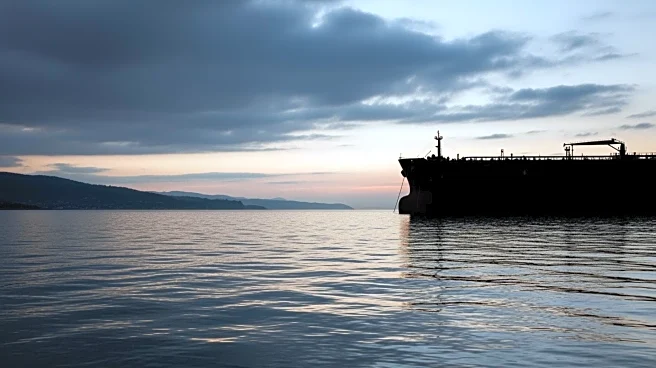
President Trump has initiated a blockade of sanctioned oil tankers off the coast of Venezuela, raising questions about the legality of this military action. The blockade is part of a broader campaign to
pressure Venezuelan leader Nicolás Maduro, who is accused of using oil profits to fund drug trafficking. The Trump administration claims the blockade is narrowly targeted and not aimed at civilians, but experts warn it could provoke a military response from Venezuela. This move has sparked debate in Congress, with some lawmakers concerned about the potential for escalating conflict without congressional approval.
Why It's Important?
The blockade represents a significant escalation in U.S. foreign policy towards Venezuela, potentially leading to increased tensions in the region. It highlights the Trump administration's aggressive stance on international sanctions and its willingness to use military force to enforce them. The legality of the blockade is under scrutiny, as it could be seen as an act of war, requiring congressional authorization. This development could impact U.S.-Venezuela relations and influence global oil markets, given Venezuela's significant oil reserves.
What's Next?
The U.S. may face international criticism and legal challenges over the blockade's implementation. Congress could push for more oversight and debate the need for formal authorization of military actions in Latin America. The situation may also lead to diplomatic negotiations or further sanctions against Venezuela. The Trump administration's actions could set a precedent for future U.S. foreign policy decisions involving economic sanctions and military interventions.