







What's Happening?
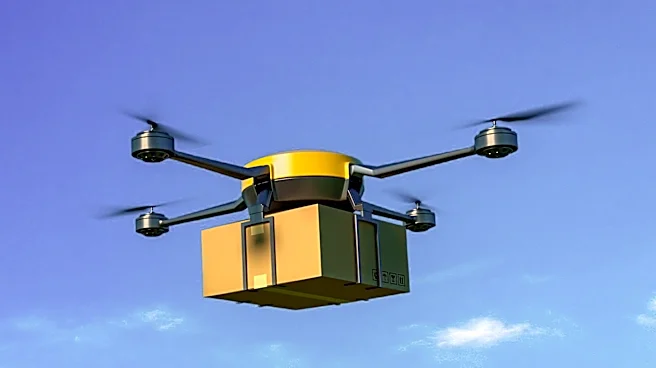
Amazon's Prime Air, along with DoorDash and Zipline (in partnership with Uber and Walmart), is significantly expanding its drone delivery programs, aiming to reach nearly 500 cities and towns by the end of 2026. This expansion will make flying robots
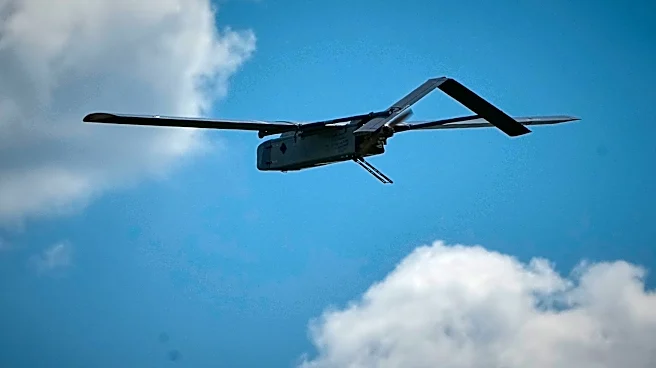
dropping packages a common sight. However, this development is raising concerns for individuals suffering from post-traumatic stress disorder (PTSD) and other anxiety-related disorders, for whom the sound and presence of drones can be a significant trigger. The increasing use of weaponized drones in conflicts, such as in Ukraine and Israeli operations in Lebanon and Gaza, has led to a rise in 'dronophobia' among affected populations. Even in the U.S., where direct drone attacks on troops have been less frequent, the widespread circulation of drone attack footage can induce anxiety. This issue is compounded by broader anxieties about surveillance technology and artificial intelligence, potentially leading to hypervigilance among those affected.
Why It's Important?
The widespread deployment of delivery drones could have unforeseen public health implications, particularly for veterans and individuals who have experienced conflict zones. While convenient for many, the constant presence of drones could exacerbate mental health conditions like PTSD, leading to increased anxiety, distress, and a diminished sense of safety for a vulnerable segment of the population. This highlights a growing tension between technological advancement aimed at convenience and its potential negative psychological impact on specific groups. The issue also brings to light the long-term psychological consequences of modern warfare, where the tools of conflict can later manifest in civilian life in unexpected ways. Companies deploying these technologies may face public relations challenges and calls for mitigation strategies to address these concerns, potentially influencing future drone operation regulations and public acceptance.
What's Next?
As drone delivery services become more prevalent, there may be increased calls for research into the psychological impact of drone noise and presence on individuals with PTSD. Mental health professionals and advocacy groups may push for greater awareness and potential mitigation strategies, such as designated no-fly zones for delivery drones in residential areas with high veteran populations, or the development of quieter drone technologies. Regulatory bodies like the FAA might face pressure to consider the psychological impact of drone operations in future policy-making. Additionally, companies like Amazon, DoorDash, and Walmart might need to address these concerns proactively to maintain public trust and avoid potential backlash, possibly through community engagement or by funding research into the issue.
Beyond the Headlines
This situation underscores a broader societal challenge: how to integrate rapidly advancing technologies without inadvertently harming vulnerable populations. The psychological impact of drones extends beyond direct combat, revealing how the tools of war can have lasting, indirect effects on civilian well-being. It also raises ethical questions for technology companies regarding their responsibility to consider the full spectrum of societal impacts, including mental health, when deploying new services. The concept of 'dronophobia' highlights a new frontier in understanding trauma responses in an increasingly technologically advanced world, suggesting that our environments are becoming more complex triggers for those with past traumatic experiences. This could lead to a re-evaluation of urban planning and noise pollution regulations to include psychological well-being as a key factor.