





What's Happening?
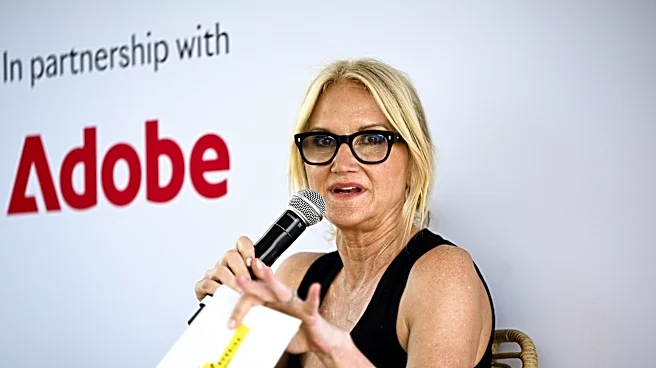
On 'The Mel Robbins Podcast,' gynecologist Thais Aliabadi highlighted a significant issue regarding the underdiagnosis of gynecological disorders that impact fertility, including polymetabolic and endocrine ovarian syndrome (PMOS), endometriosis, and premenstrual
dysphoric disorder (PMDD). Dr. Aliabadi noted that many patients report feeling unheard by medical professionals, with a survey conducted by Mel Robbins indicating that 77% of her audience felt dismissed during medical consultations. The gynecologist emphasized that symptoms are often attributed to stress or anxiety without a thorough evaluation to identify underlying causes. She described her practice as 'the office of dismissed women,' treating patients who have gone years without proper diagnoses for conditions like PMOS and endometriosis, which can lead to fertility problems. Dr. Aliabadi also pointed out disparities in access to gynecological care in the United States, stating that 50% of counties lack a gynecologist, exacerbating delays in diagnosis and treatment.
Why It's Important?
The discussion on 'The Mel Robbins Podcast' underscores a critical public health concern in the U.S.: the systemic failure to adequately diagnose and treat common gynecological conditions. This issue has profound implications for women's health, fertility, and overall quality of life. The reported high percentage of women feeling dismissed by healthcare providers suggests a broader problem within the medical system, potentially leading to prolonged suffering, increased healthcare costs due to delayed intervention, and significant emotional distress. The lack of access to gynecologists in many U.S. counties further exacerbates these challenges, creating healthcare deserts where women may not receive timely or appropriate care. This situation can lead to advanced stages of diseases like endometriosis, making treatment more complex and potentially impacting long-term reproductive health and general well-being. Addressing these diagnostic gaps and access inequalities is crucial for improving women's health outcomes nationwide.
What's Next?
To address the issues raised, Dr. Aliabadi urged patients to actively record their symptoms, seek information, and pursue second or third opinions if they feel their concerns are being dismissed. This proactive approach empowers patients in a healthcare system that may not always adequately respond to their needs. From a broader perspective, increased awareness campaigns, potentially spurred by discussions on popular platforms like 'The Mel Robbins Podcast,' could encourage more women to advocate for themselves and prompt healthcare providers to re-evaluate their diagnostic approaches. Policy discussions might also emerge regarding improving access to gynecological specialists in underserved areas, possibly through telemedicine initiatives or incentives for practitioners to work in rural regions. Furthermore, medical education could see a renewed focus on recognizing and diagnosing these often-missed conditions, ensuring future healthcare professionals are better equipped to address women's reproductive health comprehensively.
Beyond the Headlines
The conversation extends beyond individual diagnoses to highlight systemic issues within healthcare, particularly concerning gender bias and patient advocacy. The high rate of women feeling dismissed by medical professionals points to a potential gender empathy gap in healthcare, where women's pain and symptoms may be less readily believed or investigated compared to men's. This can lead to a cycle of medical gaslighting, eroding trust in the healthcare system. Ethically, it raises questions about the responsibility of medical institutions to ensure equitable and thorough care for all patients, regardless of gender. Culturally, the podcast contributes to destigmatizing discussions around reproductive health, encouraging women to speak openly about their experiences and seek support. Long-term, this increased awareness could drive a shift towards more patient-centered care models and a greater emphasis on holistic health assessments that consider the complex interplay of hormonal, metabolic, and emotional factors in women's health.