



What's Happening?
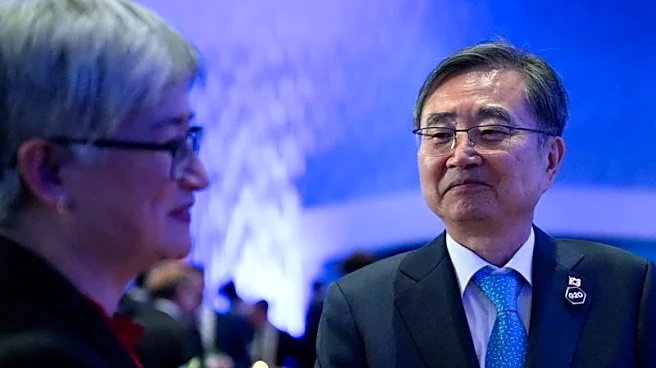
South Korean Foreign Minister Cho Hyun has called upon China to play a constructive role in de-escalating tensions on the Korean Peninsula and to encourage North Korea to return to diplomatic negotiations. This request was made during a meeting with his Chinese
counterpart, Wang Yi, in Beijing. Cho emphasized that stability and peace in the region are shared interests for both South Korea and China. The meeting occurred ahead of the Asia-Pacific Economic Cooperation (APEC) Forum summit in Shenzhen, which South Korean President Lee Jae Myung is expected to attend. The discussions also covered bilateral relations and other regional issues. Wang Yi stated that China's policy regarding the Korean Peninsula remains unchanged, though no specific new initiatives for resuming talks with North Korea were publicly disclosed. This diplomatic push by South Korea comes as Beijing and Pyongyang have intensified their contacts in recent months, including a visit by a North Korean ruling party delegation to China in early November.
Why It's Important?
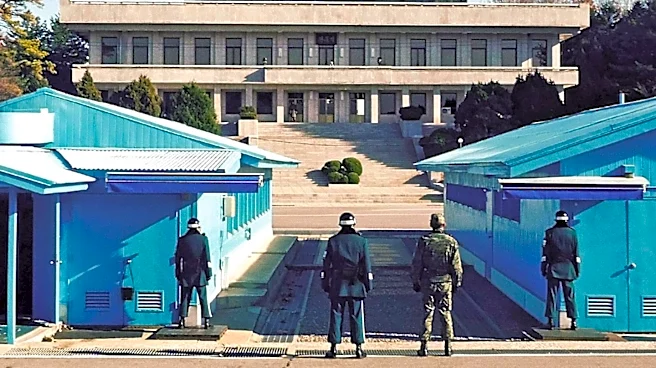
China's involvement is considered crucial by South Korea due to Beijing's significant political, economic, and diplomatic ties with Pyongyang. Historically, China has been a primary international interlocutor for North Korea and possesses unique tools of influence that other nations lack. The potential for China to leverage this influence could be a key factor in reducing regional tensions and reactivating diplomatic channels with North Korea. A successful resumption of dialogue could lead to greater stability on the Korean Peninsula, impacting regional security dynamics and potentially influencing global geopolitical strategies. Conversely, a lack of progress could perpetuate the current state of heightened tensions, posing ongoing security challenges for South Korea, the United States, and other allies in the region. The outcome of these diplomatic efforts could also affect trade and economic stability in Northeast Asia.
What's Next?
The upcoming APEC Forum summit in Shenzhen will provide another platform for diplomatic interactions, though it is unclear if further discussions regarding North Korea will take place. South Korea will likely continue to press China to use its influence over Pyongyang. The increased diplomatic activity between Beijing and Pyongyang suggests that China may be positioning itself as a central figure in any future negotiations. The international community will be closely watching for any signs of concrete commitments or new initiatives from China that could facilitate a return to dialogue with North Korea. The effectiveness of South Korea's appeal to China will largely depend on Beijing's willingness to exert its influence and North Korea's receptiveness to re-engaging in negotiations.
Beyond the Headlines
The ongoing diplomatic efforts highlight the complex and interconnected nature of international relations in Northeast Asia. China's strategic position and historical ties with North Korea place it in a unique and powerful role, but also present a delicate balancing act between its own national interests and regional stability. The situation also underscores the limitations of other nations' influence over North Korea, making China's role almost indispensable for any significant diplomatic breakthrough. The long-term implications could include a re-evaluation of regional security architectures and the potential for new multilateral frameworks to address denuclearization and peace on the Korean Peninsula. The interplay between economic incentives and security concerns will continue to shape the diplomatic landscape.