







What's Happening?
YouTube's Terms of Service explicitly limit video downloads to features provided directly by the platform, such as YouTube Premium's offline downloads and the download option within YouTube Studio for content creators. This policy aims to maintain control
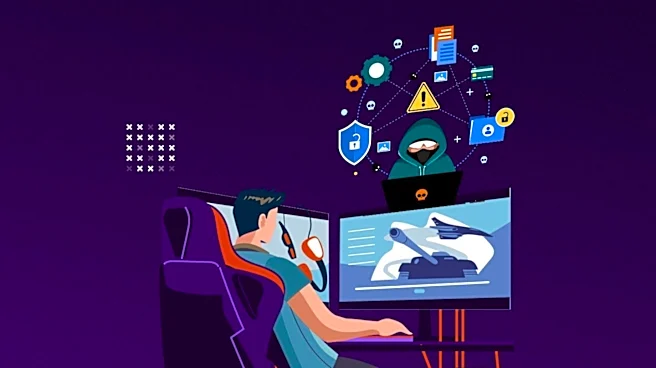
over content distribution, protect copyright, and ensure revenue generation through advertising and subscriptions. Despite these restrictions, searches for 'how to download YouTube videos' reached 301,000 per month in the U.S. in August 2026, indicating significant user demand for offline access. Third-party downloader websites and browser extensions are identified as risky alternatives, often exposing users to ads, fake download buttons, and potential malware. These external tools operate outside YouTube's terms, posing policy, copyright, and security risks. For creators, YouTube Studio offers a safe method to download their own uploaded videos, while Creative Commons licenses provide a legitimate pathway for reusing certain content with proper attribution.
Why It's Important?
The widespread use of third-party YouTube downloaders presents significant security and legal challenges for users and the platform. Users risk malware infections, privacy breaches, and copyright infringement when using unauthorized tools. For YouTube, these tools bypass its monetization model, impacting ad revenue and subscription growth, which are crucial for supporting creators and platform operations. The high search volume for downloading videos underscores a persistent user need for offline content access, which YouTube addresses through its Premium service. This dynamic creates a tension between user demand for free, flexible access and the platform's need to protect its business model and content creators. The ongoing battle against unauthorized downloaders highlights the broader struggle in the digital content industry to balance accessibility with intellectual property rights and revenue generation.
What's Next?
YouTube is likely to continue reinforcing its policies against unauthorized downloading and enhancing its official offline viewing options to steer users towards legitimate channels. This could involve expanding Premium features, improving the user experience for offline content, and potentially offering more flexible download options within its ecosystem. Browser developers and security firms may also increase efforts to flag and block malicious downloader sites and extensions, improving user safety. Content creators will need to remain aware of copyright implications when their work is downloaded outside official channels. The demand for offline content is unlikely to diminish, prompting ongoing innovation in how platforms manage content distribution and user access while protecting their intellectual property and revenue streams. Legal actions against prominent third-party download services may also continue as platforms seek to enforce their terms of service.
Beyond the Headlines
The prevalence of YouTube video downloading reflects a deeper societal expectation of content ownership and access in the digital age. Users often feel a sense of entitlement to content they can view online, blurring the lines between streaming access and permanent ownership. This issue touches upon digital rights management (DRM) and the ongoing debate about fair use in the context of online media. The security risks associated with third-party downloaders also highlight the broader cybersecurity challenges faced by average internet users, who may unknowingly expose themselves to threats in pursuit of convenience. Culturally, the desire to download and archive content speaks to a need for personal media libraries, reminiscent of physical media collections, in an increasingly streaming-dominated world. This tension between platform control and user desire for content autonomy will likely continue to shape the evolution of digital media consumption and policy.