






What's Happening?
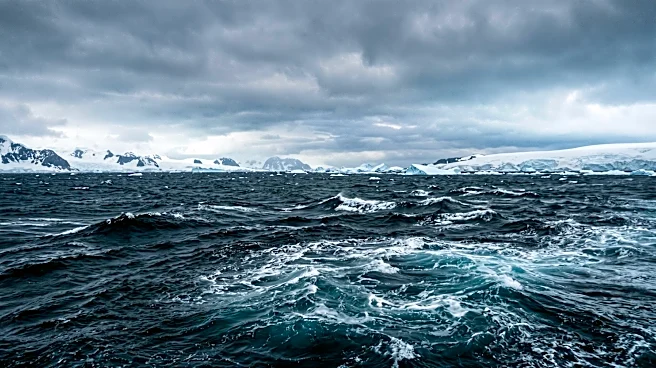
The Commission for the Conservation of Antarctic Marine Living Resources (CCAMLR) concluded its recent two-week meeting in Hobart without reaching an agreement on any of the proposed marine protected areas (MPAs) in the Southern Ocean. Additionally, no
new precautionary measures were adopted to manage the Antarctic krill fishery. This marks another year of inaction, leaving the Southern Ocean's ecosystem increasingly vulnerable to the combined pressures of climate change and concentrated fishing. Despite significant efforts and constructive negotiations by many CCAMLR members, consensus could not be achieved on critical conservation proposals. Claire Christian, ASOC Executive Director, expressed regret over the lack of meaningful outcomes to increase protections for ecosystems and species under pressure. Discussions included a focus on the Domain 1 (Antarctic Peninsula) MPA, with an intersessional process agreed upon to continue negotiations. Since 2009, CCAMLR committed to establishing a representative system of MPAs, but only two have been established in seventeen years, with the last adoption a decade ago. Five additional MPAs are currently proposed, including a new one in East Antarctica by China.
Why It's Important?
The failure of CCAMLR to implement new marine protected areas and krill fishing regulations has significant implications for the delicate Antarctic ecosystem. The Southern Ocean is a critical habitat for numerous species, including whales, seals, and penguins, all of which rely on krill as a primary food source. Without updated precautionary measures, the krill fishery could expand or intensify, potentially disrupting the food web and impacting the populations of krill-dependent predators. This inaction also undermines CCAMLR's mandate as a conservation body, raising questions about its effectiveness in translating scientific advice and long-standing commitments into tangible protections. The ongoing vulnerability of the Southern Ocean to climate change and fishing pressure could lead to long-term ecological imbalances, affecting biodiversity and the overall health of one of the world's most pristine marine environments. The lack of progress also contrasts with growing global momentum for ocean protection, potentially diminishing CCAMLR's standing in international conservation efforts.
What's Next?
Following the lack of consensus, an intersessional process has been agreed upon to continue discussions on the Domain 1 (Antarctic Peninsula) MPA proposal. This indicates that negotiations will persist outside of the formal annual meeting, with proponents like Argentina and Chile aiming to build stronger support for future agreement. However, without immediate new regulations, the Antarctic krill fishery will continue under existing rules, which conservation groups argue are insufficient given accelerating climate change and increasing fishing pressure. Stakeholders, including conservation organizations like ASOC and WWF-Australia, will likely continue to advocate for stronger protections and push CCAMLR members to accelerate decision-making. The upcoming first Conference of the Parties to the High Seas Treaty (BBNJ Agreement) may also exert additional pressure on CCAMLR to align its actions with broader international ocean conservation goals, potentially influencing future negotiations and the urgency with which members approach these critical issues.
Beyond the Headlines
The repeated failure to establish new marine protected areas and update krill fishing rules highlights deeper challenges within international conservation bodies like CCAMLR, particularly the complexities of achieving consensus among diverse member states with varying economic and geopolitical interests. This ongoing deadlock raises ethical questions about the balance between resource exploitation and ecological preservation in globally shared commons. The long-term implications extend beyond immediate ecological impacts, potentially setting a precedent for other international bodies struggling with similar conservation mandates. The vulnerability of the Antarctic ecosystem, often considered a bellwether for global climate health, underscores the interconnectedness of environmental issues. The inability to act decisively on scientific advice could erode public trust in international governance mechanisms designed to protect shared natural resources, prompting calls for more robust and binding agreements in the face of escalating environmental crises.