





What's Happening?
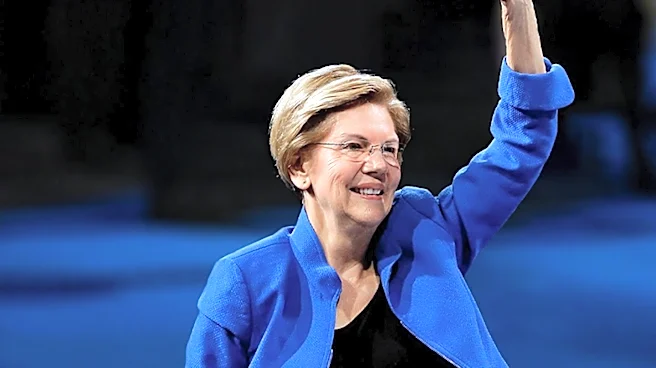
U.S. Senator Elizabeth Warren (D-Mass.) has written to several major companies, including Target, Apple, Amazon, Nike, Motorola, Walmart, and Energizer, urging them to pass on tariff refunds received from the Trump Administration to consumers. These companies are
expected to receive substantial rebates for tariffs paid last year. Senator Warren specifically highlighted that Apple reportedly received $2.2 billion and Amazon $600 million in tariff refunds. She emphasized that consumers paid higher prices for products while these tariffs were in place and therefore deserve to be reimbursed. Warren's letters to the CEOs, including Tim Cook of Apple, questioned how these multi-billion dollar windfalls would be used, noting Apple's vague statement about reinvesting the money into U.S. innovation and manufacturing. She requested detailed information on how much prices were increased on products in 2025 and which products were directly impacted by tariffs.
Why It's Important?
This initiative by Senator Warren underscores a broader debate about corporate responsibility and consumer protection in the context of trade policies. If companies retain tariff refunds without adjusting consumer prices, it could be perceived as unjust enrichment, potentially eroding public trust and fueling calls for greater regulatory oversight. The issue highlights the economic impact of tariffs, not just on businesses but also on the end consumer. For U.S. industries, the pressure to refund consumers could affect profit margins and investment strategies, especially for companies that absorbed tariff costs without raising prices. Conversely, if companies did raise prices due to tariffs, returning the refunds could alleviate financial burdens on consumers, potentially stimulating spending. This situation also brings into focus the transparency of corporate financial practices and the accountability of large corporations to their customer base.
What's Next?
Companies that received letters from Senator Warren are expected to respond by August 21, 2026, providing details on their plans for the tariff refunds. Their responses will likely influence public perception and could lead to further legislative or regulatory actions if consumer advocacy groups or lawmakers deem the companies' plans insufficient. The outcome could set a precedent for how future tariff rebates are handled, potentially leading to new guidelines or requirements for companies to demonstrate how such financial windfalls benefit consumers. This could also spark a broader discussion on the role of government in ensuring that economic policies, such as tariffs, do not disproportionately burden consumers while benefiting corporations.
Beyond the Headlines
The deeper implication of Senator Warren's actions touches upon the ethical responsibilities of corporations, particularly when government policies result in significant financial gains. It raises questions about whether companies have a moral obligation to compensate consumers for costs incurred due to government-imposed tariffs, even if not legally mandated. This situation could also influence consumer behavior, as increased awareness of corporate handling of such funds might lead consumers to favor companies perceived as more transparent and fair. Furthermore, it highlights the ongoing tension between corporate profits and consumer welfare, a recurring theme in economic policy debates. The debate also implicitly questions the effectiveness of tariffs as a policy tool if their costs are ultimately borne by consumers without clear benefits.