



What's Happening?
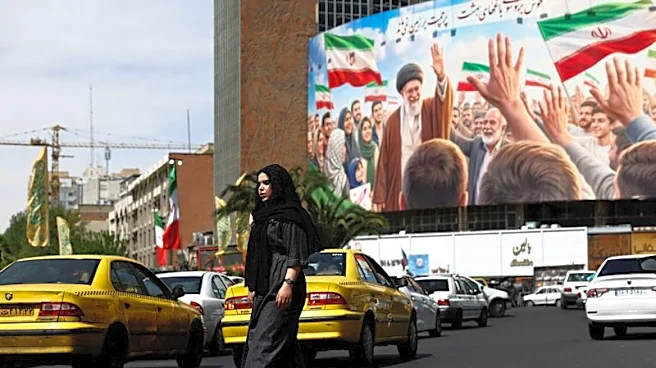
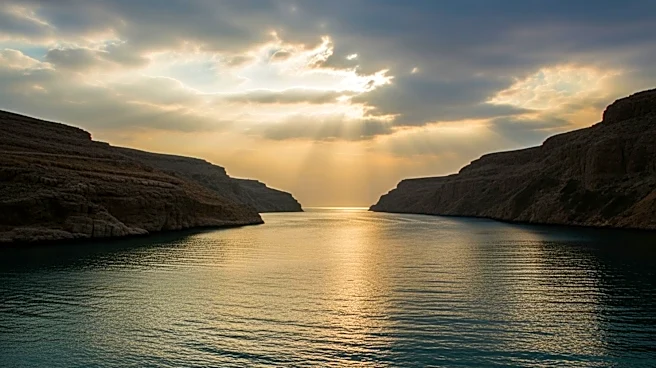
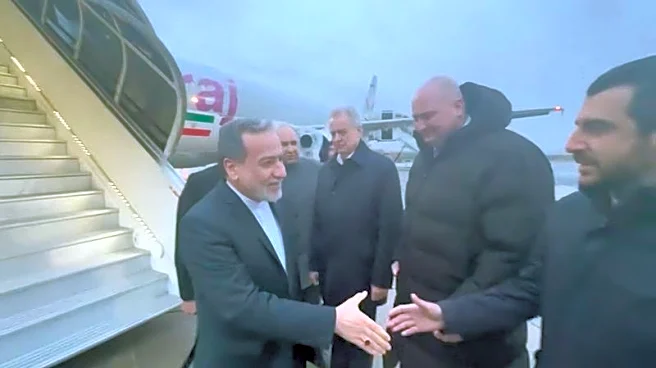
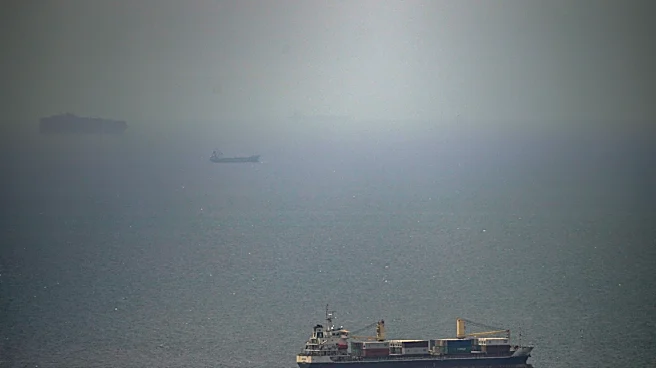
President Donald Trump has revealed that Iran has requested the United States to lift a naval blockade of the Strait of Hormuz as part of negotiations to end a two-month conflict that has significantly disrupted global energy supplies. The conflict began
with U.S. and Israeli airstrikes on Iran, leading to a blockade that has restricted oil revenue for Iran and closed the strait to most traffic. Iran has proposed an interim deal to reopen the strait in exchange for the U.S. ending its blockade of Iranian ports, while more complex negotiations over Iran's nuclear program are postponed. However, President Trump has expressed dissatisfaction with Iran's latest suggestions, as his administration insists that any agreement must include measures to curb Iran's nuclear activities.
Why It's Important?
The closure of the Strait of Hormuz, a critical waterway for global oil and gas shipments, has had significant economic repercussions, with Brent crude prices rising above $111 a barrel. The ongoing conflict and blockade have led to fuel rationing in Asia and Africa and raised concerns about a global economic slowdown. The situation has also strained international relations, with foreign leaders expressing frustration over the diplomatic stalemate. The United Arab Emirates' decision to leave OPEC, citing the need for flexibility in response to market demands, further underscores the conflict's impact on global oil markets. The resolution of this conflict is crucial for stabilizing energy supplies and preventing further economic disruption.
What's Next?
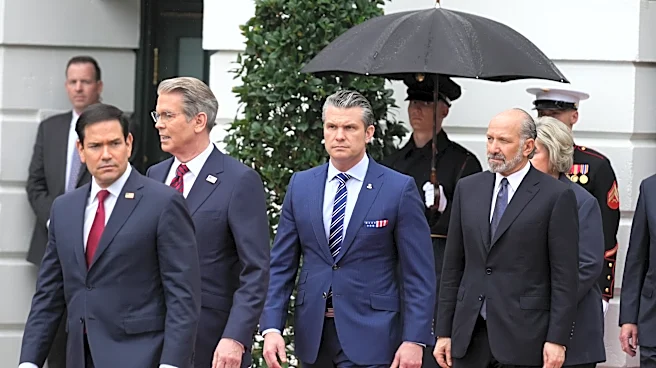
Mediators in Pakistan anticipate that Iran will submit a revised proposal to end the conflict in the coming days. The U.S. administration is closely monitoring the situation, with Secretary of State Marco Rubio indicating that the White House has questions about the authority of the Iranian negotiators. The ceasefire, which began around April 7, remains fragile, and hostilities may resume if fresh talks fail. The international community is watching closely, as the reopening of the Strait of Hormuz is vital for restoring normalcy to global energy markets and alleviating economic pressures.