




What's Happening?
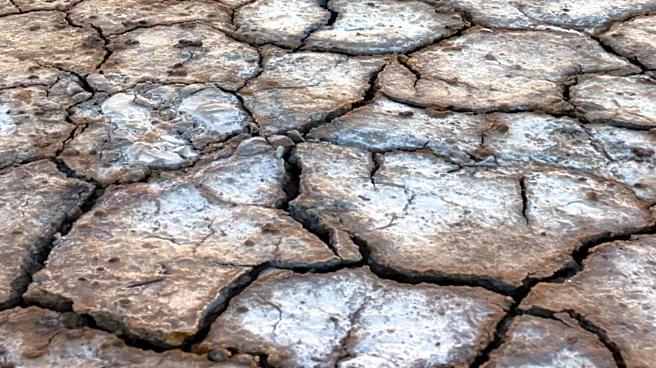
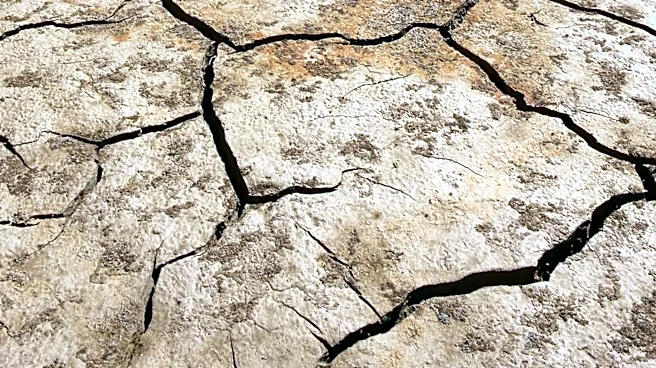
England and Wales are experiencing severe drought conditions, with July 2026 being the driest month on record. The Environment Agency has declared drought across half of England, emphasizing the lack of additional river water available for new homes or industries
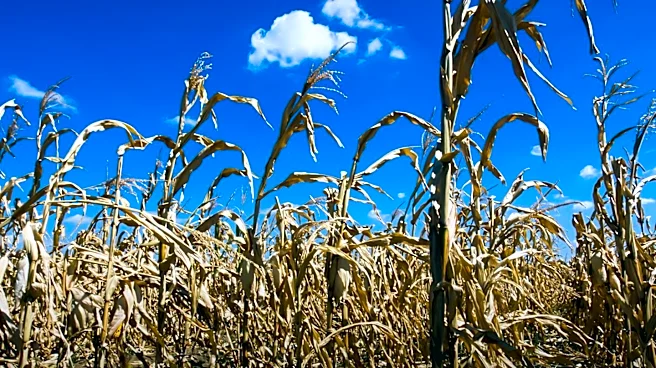
in about a third of the country. In Cambridgeshire, chalk streams are being artificially filled due to over-extraction, yet plans to build 150,000 new homes are still under consideration. The drought is exacerbating existing inequalities and exposing vulnerabilities, with water companies facing criticism for their role in worsening scarcity and injustice. Despite plans for new reservoirs, questions remain about the feasibility of building thousands of new homes in drought-prone areas. Farmers are also struggling, as irrigation becomes necessary but insufficient due to high temperatures. This situation is mirrored across Europe, with countries like Romania, Bulgaria, and Serbia also facing prolonged heatwaves and low rainfall.
Why It's Important?
The drought in England and Wales underscores the urgent need for better water management and infrastructure to address climate change impacts. The situation highlights the vulnerabilities in current systems and the inequalities exacerbated by water scarcity. Water companies are under scrutiny for their role in the crisis, with calls for greater public control and accountability. The drought also raises concerns about the sustainability of new housing developments in affected areas, as well as the agricultural sector's ability to cope with changing climate conditions. The broader implications include potential shifts in population distribution and increased pressure on governments to implement effective climate adaptation strategies.
What's Next?
The construction of new reservoirs is planned, with two in the dry east of England given priority status. However, the viability of building new homes in drought-prone areas remains uncertain. Farmers are advocating for easier construction of reservoirs for crop use. Water recycling and conservation efforts need significant improvement, as household water use in England and Wales is among the highest in Europe. The ongoing drought may prompt further policy changes and investments in water infrastructure to mitigate future risks.
Beyond the Headlines
The drought situation in England and Wales could lead to long-term shifts in societal and governmental approaches to climate change and resource management. The crisis may drive innovation in water conservation technologies and practices, as well as influence public attitudes towards environmental sustainability. Additionally, the drought highlights the need for equitable resource distribution and the importance of addressing systemic inequalities that are exacerbated by climate change.