






What's Happening?
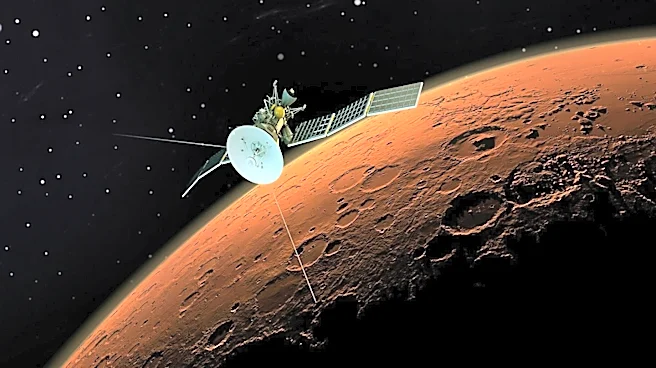
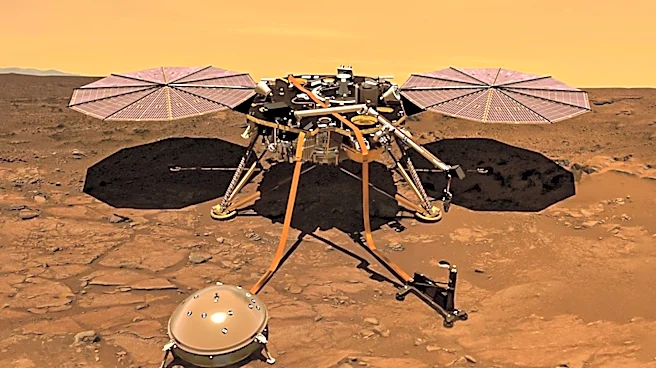
NASA's Langley Research Center in Hampton, Virginia, played a pivotal role in the successful Viking 1 and 2 landings on Mars, marking the 50th anniversary of these historic events. The Viking project, led by Langley, was the first U.S. mission to land safely
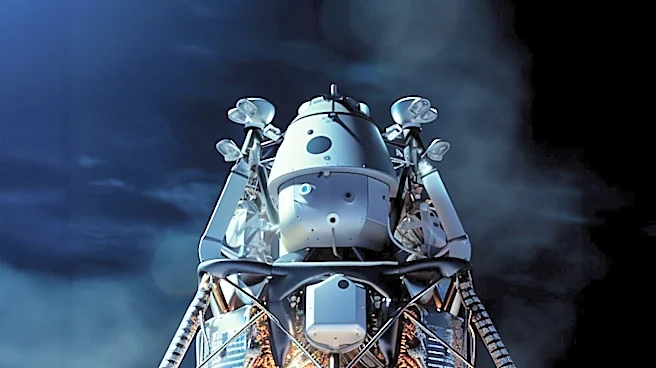
on Mars and search for signs of life. Langley's expertise in atmospheric entry aerodynamics, heat shielding, and parachute technology was crucial in developing the systems that enabled the landers to safely reach the Martian surface. The mission set a precedent for future Mars explorations, influencing how NASA approaches planetary exploration today.
Why It's Important?
The Viking missions were groundbreaking, providing a model for future planetary exploration. They demonstrated the feasibility of landing on another planet and conducting scientific research, paving the way for subsequent missions like Curiosity and Perseverance. Langley's contributions to the Viking project highlight the importance of rigorous testing and engineering in space exploration. The mission's success has had a lasting impact on NASA's approach to exploring the solar system, emphasizing the need for thorough preparation and testing of landing systems.
Beyond the Headlines
The Viking missions not only advanced scientific understanding of Mars but also influenced the operational practices of space missions. The adoption of the Martian sol for daily operations and the method of selecting landing sites based on scientific and engineering criteria are practices that continue to be used. Langley's ongoing work in entry, descent, and landing technologies continues to support NASA's goals for future human exploration of Mars, reflecting the center's enduring legacy in space exploration.