



What's Happening?
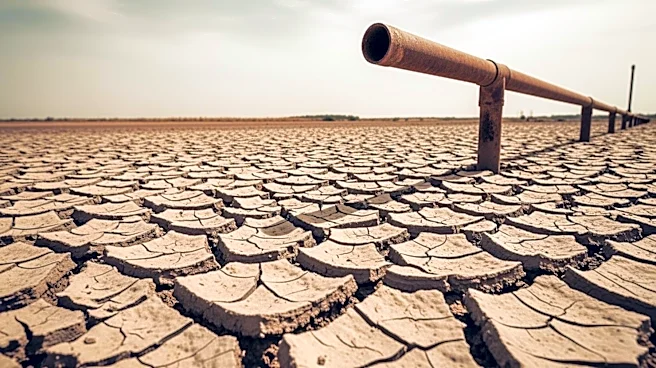
Cuba is experiencing severe water shortages affecting nearly 3 million people daily due to a significant oil shortage, which government officials attribute to a U.S. energy blockade. The island's water system is operating with only 37% of the required
fuel, severely impacting its ability to deliver water. The National Institute of Water Resources, led by Antonio Rodríguez, highlights that the water system is one of the largest energy consumers in the country. The blockade has led to a drastic reduction in the import of necessary supplies, with purchases dropping from $100 million to $10 million annually. The situation is exacerbated by aging infrastructure and oversaturated pumping stations, particularly in major cities like Havana. The U.S. has tightened sanctions since January, further straining Cuba's resources.
Why It's Important?
The water crisis in Cuba underscores the broader implications of international sanctions and energy dependencies. The U.S. blockade, aimed at pressuring Cuba to change its political model, has significant humanitarian impacts, affecting basic necessities like water. This situation highlights the vulnerability of countries heavily reliant on external energy sources and the cascading effects of geopolitical tensions on civilian populations. The crisis also raises questions about the sustainability of current energy policies and the need for alternative energy solutions to mitigate such dependencies.
What's Next?
Cuban authorities are working on an accelerated solar energy program to reduce dependency on imported fuel, but this requires significant investment. The ongoing U.S. sanctions and potential further tightening could exacerbate the situation, leading to increased international scrutiny and potential diplomatic negotiations. The Cuban government may seek alternative international partnerships to alleviate the crisis, while the U.S. may face pressure from international human rights organizations to reconsider its blockade policies.