







What's Happening?
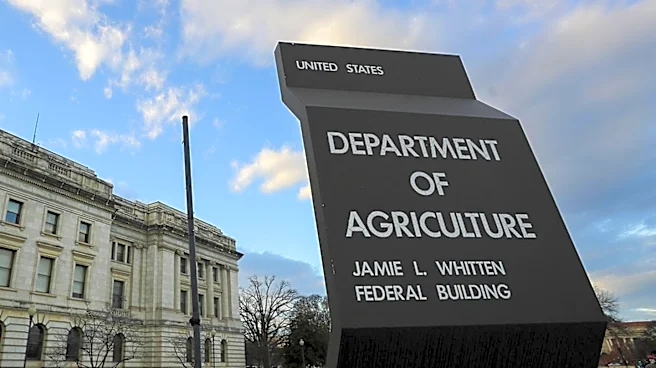
U.S. Secretary of Agriculture Brooke Rollins announced that the U.S. Department of Agriculture (USDA) is moving forward with its planned reorganization. The initiative aims to relocate more personnel and operations closer to rural communities, with a specific
focus on shifting Forest Service presence towards western states. Secretary Rollins emphasized that this effort remains a priority, intended to bring the USDA closer to farmers, ranchers, and other constituents. Despite continued questions nationwide regarding the specifics of the reorganization, including details on individual agency impacts, staffing levels, and timelines, Rollins stated that the department is proceeding at full speed. A recent conference call with reporters, however, focused more on fertilizer issues rather than providing new details on the reorganization itself. Rollins affirmed that the department will continue to pursue these changes alongside other priorities such as fertilizer, farm programs, nutrition, and agricultural markets.
Why It's Important?
This reorganization is significant for its potential to reshape the USDA's operational footprint and its engagement with rural America. By decentralizing personnel and operations, the USDA aims to enhance its responsiveness and accessibility to the agricultural communities it serves. This could lead to more tailored support for farmers and ranchers, potentially improving the efficiency of program delivery and resource allocation in rural areas. The emphasis on shifting Forest Service presence to western states also highlights a strategic focus on regions with significant natural resource management needs. However, the lack of detailed information on how individual agencies and offices will be affected creates uncertainty for USDA employees and the communities they serve. The success of this initiative hinges on effective implementation and clear communication to ensure that the intended benefits of closer proximity to rural communities are realized without disrupting essential services or creating undue burdens.
What's Next?
The USDA plans to continue pursuing the reorganization, although specific details regarding office moves, staffing levels, and timelines are yet to be released. Secretary Rollins indicated that the department believes strongly in the plan and will proceed at full speed. Stakeholders, particularly producers and rural communities, are awaiting more concrete information on where personnel and services will be relocated. The USDA will also continue to balance this reorganization with other ongoing priorities, including initiatives related to fertilizer, farm programs, nutrition, and agricultural markets. Future announcements are expected to provide greater clarity on the structural changes and their implications for various USDA functions and regional operations. The department's ability to address the outstanding questions and provide a clear roadmap will be crucial for gaining broader support and ensuring a smooth transition.
Beyond the Headlines
The USDA's reorganization reflects a broader governmental trend towards decentralization and localized governance, aiming to make federal agencies more responsive to regional needs. This move could foster a stronger sense of partnership between the USDA and rural communities, potentially leading to more effective policy development and implementation that is grounded in local realities. However, such large-scale organizational shifts often face challenges related to bureaucratic inertia, resource allocation, and resistance to change from within the agency. The success of this reorganization will not only be measured by its logistical execution but also by its ability to genuinely empower rural communities and improve the livelihoods of farmers and ranchers. It also raises questions about the long-term impact on the USDA's national coherence and its capacity to address overarching agricultural challenges while catering to diverse regional demands.