


What's Happening?
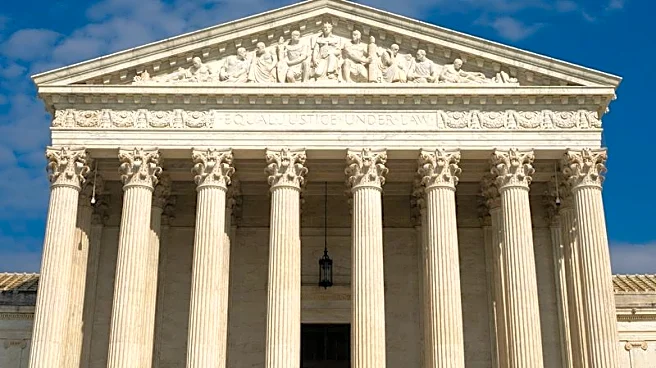
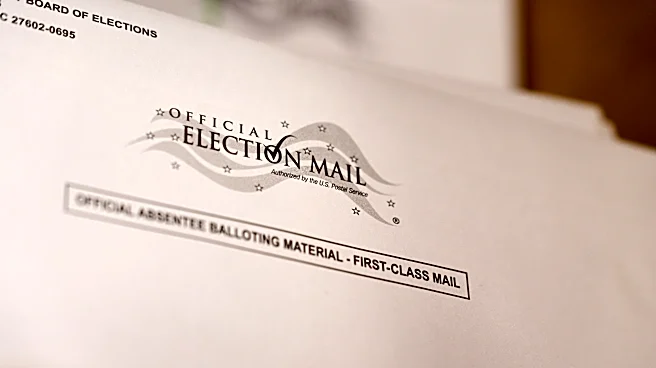
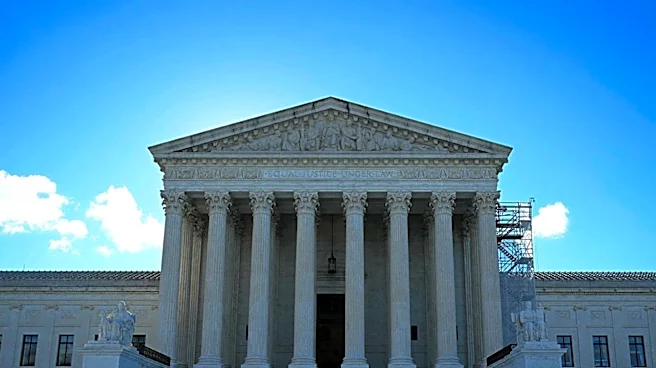
President Trump's administration has filed an emergency appeal with the Supreme Court, seeking to allow new restrictions on mail-in voting to proceed. This marks the third time the White House has approached the Supreme Court on this issue, following
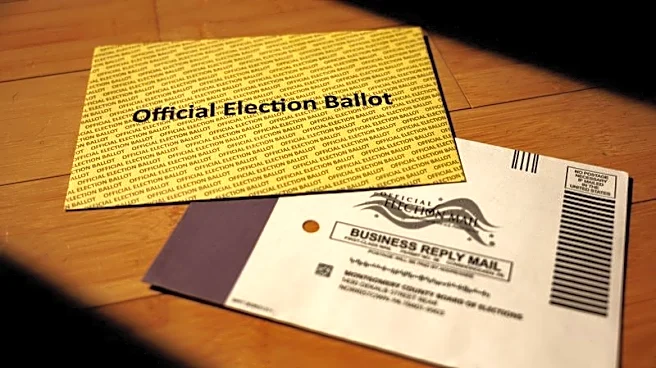
a March Executive Order that granted the U.S. Postal Service new powers regarding ballot distribution. These powers include tracking ballots with special barcodes and requiring state and local officials to submit eligible voter names to an online portal. The administration's filing, submitted by Solicitor General John Sauer, emphasizes the urgency, noting that absentee ballots have already been mailed in North Carolina, with other states like Alabama set to follow. A federal judge in Massachusetts previously blocked these new rules. Critics, including a USPS whistleblower, have raised concerns that the new system is 'secretive, rushed, chaotic, and fundamentally flawed,' potentially leading to significant disruptions in ballot delivery and disenfranchising millions of voters, particularly rural, veteran, and disabled individuals who rely on mail-in voting.
Why It's Important?
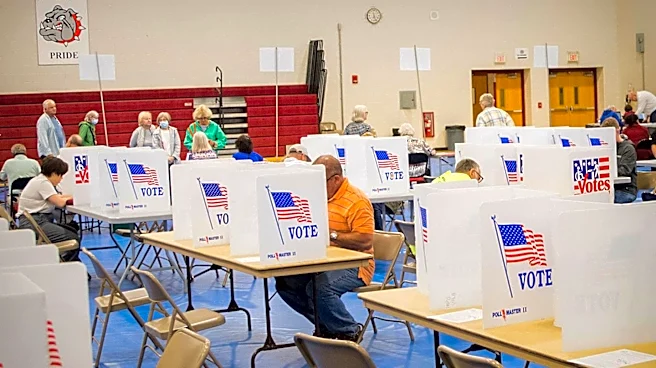
This Supreme Court plea is critical as it directly impacts the accessibility and integrity of the U.S. electoral process, particularly concerning mail-in voting. The administration's efforts to restrict mail-in voting could disenfranchise a significant portion of the electorate, including vulnerable populations, by making it harder for them to cast their ballots. The debate over mail-in voting has become a central point of contention, with President Trump advocating for stricter measures like photo ID and proof of citizenship for all voters, and increased security for mail-in ballots, which he has described as 'crooked as hell.' Conversely, critics argue that the proposed restrictions are politically motivated, aimed at suppressing voter turnout, and that instances of fraud in mail-in voting are statistically low. The outcome of this appeal could set a precedent for how future elections are conducted, potentially altering voter participation rates and the perceived fairness of the democratic process.
What's Next?
Justice Ketanji Brown Jackson, who is handling emergency appeals from Boston, has requested responses from the groups challenging the U.S. Postal Service rules by Wednesday. Therefore, a ruling from the High Court is not expected before then. The Supreme Court's decision will determine whether the Trump administration's proposed mail-in voting restrictions can be implemented. If the Supreme Court allows the restrictions to proceed, it could lead to immediate changes in how ballots are handled in states that have not yet mailed them, and potentially create confusion and legal challenges in states where ballots have already been sent. Conversely, if the Supreme Court upholds the injunction, the current mail-in voting procedures would likely remain in place, at least for the upcoming election cycle. Regardless of the ruling, the issue of mail-in voting security and accessibility is expected to remain a significant point of political and legal debate, with potential for further legislative or judicial actions.
Beyond the Headlines
The ongoing legal battle over mail-in voting extends beyond immediate electoral concerns, touching upon fundamental aspects of American democracy and civic participation. The administration's push for stricter voting requirements, including photo ID and proof of citizenship, reflects a broader ideological divide regarding voter access versus election security. Critics argue that such measures disproportionately affect minority groups, low-income individuals, and the elderly, who may face greater challenges in obtaining required documentation. The debate also highlights the evolving role of the U.S. Postal Service in elections, with concerns about its capacity and impartiality under new directives. The perception of election integrity, whether bolstered or undermined by these changes, could have long-term implications for public trust in democratic institutions. This situation also underscores the power of the judiciary in shaping electoral processes, as the Supreme Court's decision will significantly influence the balance between federal and state control over voting regulations and the accessibility of the ballot box for millions of Americans.